 EN
EN
 AR
AR
 HR
HR
 CS
CS
 DA
DA
 NL
NL
 FI
FI
 FR
FR
 DE
DE
 EL
EL
 HI
HI
 IT
IT
 JA
JA
 KO
KO
 NO
NO
 PL
PL
 PT
PT
 RO
RO
 RU
RU
 ES
ES
 SV
SV
 TL
TL
 ID
ID
 LT
LT
 SL
SL
 VI
VI
 HU
HU
 MT
MT
 TH
TH
 TR
TR
 FA
FA
 AF
AF
 MS
MS
 GA
GA
 MK
MK
 AZ
AZ
 BN
BN
 LO
LO
 LA
LA
 MN
MN

What Trends Are Shaping Modern Perfume Box Designs?
The fragrance industry has undergone a remarkable transformation in recent years, with packaging design emerging as a critical differentiator in an increasingly competitive marketplace. Modern consumers no longer view perfume boxes as mere protective vessels; instead, they expect sophisticated, visually striking designs that reflect the luxury and artistry contained within. This evolution has driven brands to reimagine their approach to luxury perfume packaging, incorporating innovative materials, sustainable practices, and cutting-edge design elements that create memorable unboxing experiences. The intersection of artistry, functionality, and brand storytelling has redefined industry standards, making packaging design a pivotal component of fragrance marketing strategies.
Sustainable Materials Revolution
Eco-Friendly Substrate Innovations
The fragrance industry has embraced a fundamental shift toward environmental responsibility, with brands increasingly adopting recycled cardboard, biodegradable plastics, and plant-based materials for their packaging solutions. Leading manufacturers now prioritize FSC-certified papers and soy-based inks, responding to consumer demands for environmentally conscious products. This transition has sparked innovation in material science, resulting in luxury perfume packaging that maintains premium aesthetics while significantly reducing environmental impact. The challenge lies in balancing sustainability with the opulent presentation traditionally associated with high-end fragrances.
Advanced material technologies have enabled the development of hybrid solutions that combine recycled content with virgin fibers, creating robust packaging that meets durability requirements without compromising visual appeal. Brands are experimenting with agricultural waste materials, including bamboo fibers and sugarcane pulp, to create unique textures and finishes that distinguish their products in retail environments. These innovations demonstrate that sustainable practices can enhance rather than diminish the luxury experience, appealing to environmentally conscious consumers who refuse to compromise on quality or aesthetics.
Circular Economy Integration
Progressive fragrance brands are implementing circular economy principles by designing packaging for multiple lifecycle phases, including reuse, recycling, and upcycling opportunities. This approach transforms traditional disposal patterns into value-adding experiences, where consumers can repurpose elegant boxes for storage, gifting, or decorative purposes. The strategy requires careful consideration of construction methods, adhesives, and finishing techniques to ensure easy disassembly and material separation at end-of-life.
Innovative brands are partnering with recycling facilities to create closed-loop systems where returned packaging materials are processed into new products, reducing waste streams and material costs. Some companies have introduced take-back programs that incentivize customers to return empty packaging in exchange for discounts on future purchases, fostering brand loyalty while supporting environmental initiatives. This comprehensive approach positions sustainability as a competitive advantage rather than a regulatory compliance requirement.
Minimalist Aesthetic Movement
Clean Design Philosophy
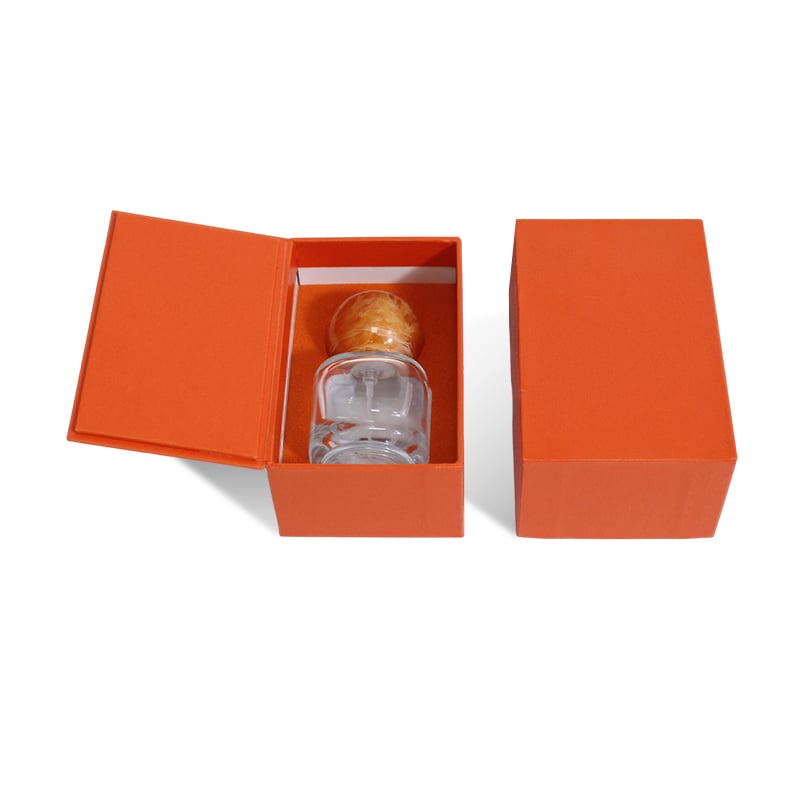
Contemporary perfume packaging has embraced minimalist design principles that prioritize clean lines, negative space, and subtle color palettes to create sophisticated visual impact. This movement reflects broader consumer preferences for authenticity and simplicity, rejecting ornate embellishments in favor of refined elegance. Minimalist luxury perfume packaging relies on superior material quality, precise manufacturing techniques, and thoughtful proportions to convey premium positioning without relying on excessive decorative elements.
The minimalist approach challenges designers to communicate brand identity and product positioning through strategic use of typography, texture, and form rather than complex graphics or multiple colors. This constraint has led to innovative solutions including debossed logos, subtle metallic accents, and carefully curated material combinations that create depth and interest within simplified compositions. The result is packaging that feels modern, timeless, and inherently luxurious while reducing production complexity and material waste.
Typography as Hero Element
Modern perfume packaging increasingly relies on typography as the primary design element, with carefully selected fonts serving as both functional information carriers and aesthetic focal points. Designers are collaborating with custom type foundries to develop bespoke letterforms that embody brand personality while ensuring excellent readability across various package sizes. This typographic emphasis allows brands to establish distinct visual identities without relying on complex imagery or multiple design elements.
The strategic use of typography extends beyond brand names to include thoughtfully crafted product descriptions, ingredient lists, and instructional text that enhances the overall design composition. Advanced printing techniques enable precise control over letter spacing, baseline alignment, and color saturation, ensuring typographic elements integrate seamlessly with package architecture. This approach creates cohesive brand experiences that translate effectively across digital and physical touchpoints while maintaining cost efficiency in production processes.
Technology Integration Advances
Interactive Digital Features
The integration of digital technologies into perfume packaging has created new opportunities for brand engagement and customer education, with QR codes, NFC chips, and augmented reality features becoming increasingly common. These technologies enable brands to provide detailed fragrance notes, styling suggestions, and exclusive content that extends the product experience beyond the physical package. Smart packaging solutions allow manufacturers to track product authenticity, monitor supply chain integrity, and gather valuable consumer behavior data.
Augmented reality applications have transformed how consumers interact with perfume packaging, enabling virtual try-on experiences, ingredient exploration, and immersive brand storytelling through smartphone interfaces. These digital layers add significant value without increasing physical package dimensions or material costs, making technology integration an attractive option for brands seeking differentiation. The challenge involves balancing technological sophistication with user accessibility, ensuring digital features enhance rather than complicate the customer experience.
Smart Authentication Systems
Counterfeit prevention has driven the adoption of sophisticated authentication technologies embedded within perfume packaging, including holographic seals, microprinting, and blockchain-verified digital certificates. These systems protect brand integrity while providing consumers with confidence in product authenticity, particularly important in online retail environments where physical inspection is impossible. Advanced authentication features are increasingly integrated into package design rather than applied as afterthoughts, creating seamless security solutions that maintain aesthetic appeal.
Blockchain technology enables comprehensive product traceability from manufacturing through retail sale, creating transparent supply chains that support both authentication and sustainability claims. Consumers can access detailed production information, ingredient sourcing data, and environmental impact assessments through simple package scanning, fostering trust and brand loyalty. This transparency trend reflects growing consumer expectations for corporate accountability and ethical business practices across luxury goods categories.
Personalization and Customization Trends
Modular Design Systems
Forward-thinking brands are developing modular packaging systems that allow for efficient customization while maintaining production scalability and cost effectiveness. These systems utilize interchangeable components, variable printing areas, and flexible assembly processes to create personalized experiences without requiring completely unique tooling for each variation. Modular approaches enable brands to offer limited editions, regional variations, and seasonal collections while leveraging existing manufacturing infrastructure and inventory systems.
The luxury perfume packaging industry has embraced digital printing technologies that enable cost-effective short runs and rapid design iterations, supporting personalization initiatives without prohibitive setup costs. Variable data printing allows brands to incorporate individual names, custom messages, or unique graphics while maintaining consistent brand standards across all variations. This capability has opened new revenue streams through premium personalization services and exclusive collector editions that command higher price points.
Consumer Co-Creation Opportunities
Progressive brands are involving consumers in the design process through digital platforms that allow custom color selection, pattern choices, and text personalization within predefined brand guidelines. These co-creation experiences strengthen emotional connections between consumers and brands while generating valuable insights into preference patterns and emerging trends. The challenge involves balancing creative freedom with brand consistency, ensuring customized products maintain quality standards and visual coherence across the entire product range.
Social media integration has enabled brands to showcase customer-created designs, fostering community engagement and providing inspiration for future product development. User-generated content featuring personalized packaging creates authentic marketing materials while encouraging others to participate in customization programs. This approach transforms packaging from a passive marketing vehicle into an active platform for consumer expression and brand advocacy.
Luxury Material Innovations
Premium Texture Development
The pursuit of distinctive tactile experiences has driven innovation in specialty coatings, embossing techniques, and surface treatments that create memorable interactions with perfume packaging. Soft-touch coatings, velvet finishes, and leather-like textures add perceived value while differentiating products on crowded retail shelves. These premium treatments require careful consideration of durability, production scalability, and compatibility with existing manufacturing processes to ensure consistent quality across large production runs.
Advanced embossing and debossing techniques create three-dimensional surface effects that enhance visual appeal while providing tactile feedback that reinforces premium positioning. Holographic foils, iridescent coatings, and color-changing materials add dynamic visual elements that capture attention and create Instagram-worthy unboxing moments. The key to successful luxury material integration lies in restraint and purposeful application, ensuring special effects enhance rather than overwhelm the overall design composition.
Innovative Construction Methods
Modern perfume packaging construction has evolved beyond traditional folding carton methods to incorporate magnetic closures, drawer mechanisms, and multi-compartment designs that enhance functionality while creating premium unboxing experiences. These sophisticated construction techniques require precision manufacturing and careful material selection to ensure smooth operation and long-term durability. The investment in complex construction methods is justified by increased perceived value and enhanced brand differentiation in competitive market segments.
Seamless assembly techniques eliminate visible adhesive applications and mechanical fasteners, creating clean, refined appearances that reinforce luxury positioning. Advanced die-cutting and scoring technologies enable precise fold lines and clean edges that enhance overall package quality and assembly efficiency. These manufacturing improvements support both aesthetic goals and operational objectives, reducing production time while improving consistency across large volume orders.
FAQ
How do sustainability requirements impact luxury perfume packaging costs
Sustainable materials and processes typically increase initial production costs by 15-25% compared to traditional packaging solutions, but these expenses are often offset by improved brand perception, customer loyalty, and potential regulatory advantages. Many brands find that consumers are willing to pay premium prices for environmentally responsible products, making sustainability investments economically viable. Long-term cost benefits include reduced material waste, improved supply chain resilience, and enhanced corporate reputation that supports premium pricing strategies.
What role does packaging play in fragrance brand differentiation
Packaging serves as the primary visual identifier for fragrance brands, often influencing purchase decisions more significantly than scent characteristics, particularly in online retail environments where sensory evaluation is impossible. Distinctive packaging design creates memorable brand experiences that support customer retention and word-of-mouth marketing, while premium materials and construction techniques justify higher price points. Research indicates that packaging design accounts for approximately 60-70% of initial brand impression formation in the fragrance category.
How are digital technologies changing perfume packaging design
Digital integration enables enhanced customer engagement through interactive features, authentication systems, and personalized experiences that extend product value beyond physical attributes. Technologies like augmented reality, NFC chips, and QR codes provide platforms for brand storytelling, product education, and customer service that create competitive advantages in crowded market segments. The key challenge involves implementing digital features that add genuine value rather than novelty, ensuring technology enhances rather than complicates the customer experience.
What manufacturing considerations affect luxury packaging feasibility
Luxury packaging production requires specialized equipment, skilled operators, and rigorous quality control systems that may limit supplier options and increase minimum order quantities. Complex construction methods, premium materials, and special finishing techniques often extend production timelines and require larger upfront investments in tooling and setup costs. Successful luxury packaging programs require careful supplier selection, detailed quality specifications, and flexible production scheduling to accommodate the longer lead times associated with premium manufacturing processes.