
 EN
EN
 AR
AR
 HR
HR
 CS
CS
 DA
DA
 NL
NL
 FI
FI
 FR
FR
 DE
DE
 EL
EL
 HI
HI
 IT
IT
 JA
JA
 KO
KO
 NO
NO
 PL
PL
 PT
PT
 RO
RO
 RU
RU
 ES
ES
 SV
SV
 TL
TL
 ID
ID
 LT
LT
 SL
SL
 VI
VI
 HU
HU
 MT
MT
 TH
TH
 TR
TR
 FA
FA
 AF
AF
 MS
MS
 GA
GA
 MK
MK
 AZ
AZ
 BN
BN
 LO
LO
 LA
LA
 MN
MN

How Can a Custom Perfume Box Boost Marketing and Customer Experience?
In today's competitive fragrance industry, packaging plays a crucial role in brand differentiation and consumer perception. A custom perfume box serves as the first tangible touchpoint between your brand and customers, creating lasting impressions that extend far beyond the product itself. Premium packaging solutions have become essential marketing tools that communicate brand values, enhance perceived quality, and drive purchase decisions at the critical point of sale.
The strategic importance of specialized packaging extends beyond mere protection during shipping and storage. Modern consumers increasingly value experiences over products, and packaging represents an opportunity to create memorable unboxing moments that generate social media engagement and word-of-mouth marketing. Luxury fragrance brands understand this principle and invest significantly in sophisticated packaging designs that reflect their premium positioning and aesthetic values.
Market research consistently demonstrates that packaging influences purchasing behavior across demographic segments. Studies indicate that approximately seventy percent of consumers form opinions about products based solely on packaging appearance within ninety seconds of initial exposure. This statistic underscores the critical importance of investing in professionally designed packaging solutions that align with target market preferences and brand positioning strategies.
Strategic Marketing Advantages Through Premium Packaging
Brand Recognition and Shelf Appeal
Distinctive packaging design creates immediate brand recognition in crowded retail environments where hundreds of competing products vie for consumer attention. A well-designed custom perfume box functions as a silent salesperson, communicating brand personality, quality standards, and value propositions without requiring verbal explanation. This visual communication becomes particularly valuable in self-service retail environments where sales assistance may be limited or unavailable.
Color psychology plays a fundamental role in packaging effectiveness, with specific color combinations triggering emotional responses that influence purchase decisions. Luxury brands frequently employ sophisticated color palettes featuring metallic accents, deep jewel tones, or minimalist monochromatic schemes that convey elegance and exclusivity. These design choices must align with target demographic preferences while maintaining consistency across all brand touchpoints.
Typography selection and layout arrangement significantly impact package readability and aesthetic appeal. Premium packaging typically features carefully selected typefaces that balance legibility with artistic expression, creating visual hierarchy that guides consumer attention toward key information such as brand names, product descriptions, and unique selling propositions. Professional designers understand how typography choices reinforce brand personality and market positioning.
Differentiation in Competitive Markets
Market differentiation becomes increasingly challenging as product categories mature and feature parity develops across competing brands. Innovative packaging design provides opportunities to distinguish products based on aesthetic appeal, functional benefits, and emotional connections rather than purely technical specifications. This differentiation strategy proves particularly effective in luxury markets where consumers seek unique experiences and exclusive products.
Structural packaging innovations offer additional differentiation opportunities beyond surface decoration and graphic design. Custom shapes, magnetic closures, telescoping lids, and multi-compartment configurations create functional advantages that enhance user experiences while providing talking points for sales presentations and marketing communications. These innovations often justify premium pricing strategies and build customer loyalty through superior functionality.
Sustainable packaging materials and production methods increasingly influence consumer preferences, particularly among environmentally conscious demographic segments. Brands that incorporate recycled materials, biodegradable components, or refillable packaging systems can differentiate themselves while appealing to growing environmental awareness. This positioning strategy aligns with broader corporate sustainability initiatives and social responsibility programs.
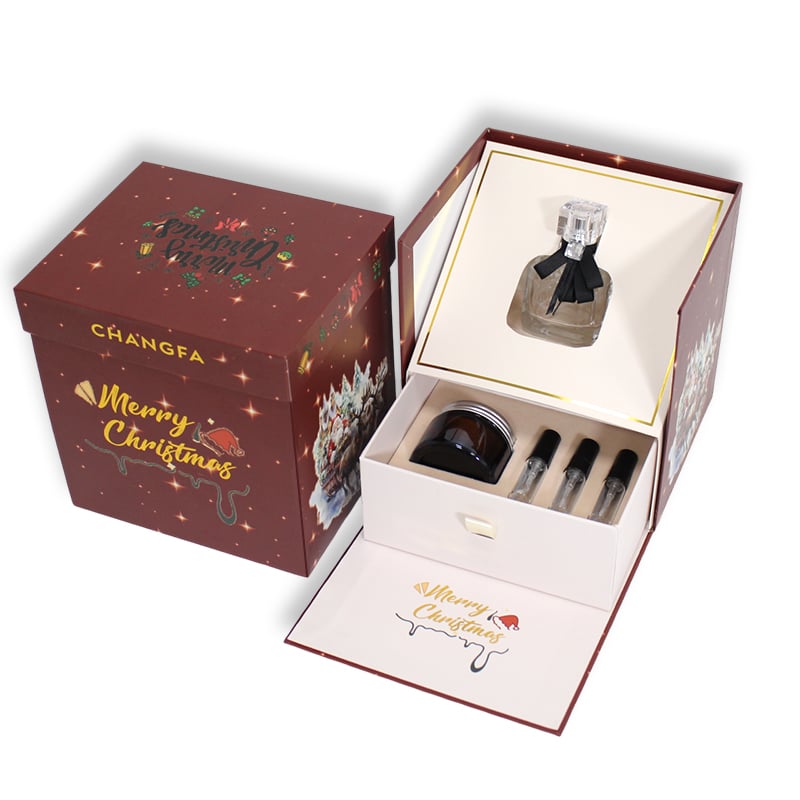
Enhancing Customer Experience Through Thoughtful Design
Unboxing Experience Optimization
The unboxing experience has evolved into a crucial component of customer satisfaction and brand perception, particularly in e-commerce environments where physical product interaction occurs after purchase completion. Thoughtfully designed packaging creates anticipation, excitement, and satisfaction throughout the opening process, transforming routine product delivery into memorable brand experiences that customers eagerly share on social media platforms.
Multi-layered packaging designs build anticipation through progressive revelation, allowing customers to discover products gradually while appreciating attention to detail at each stage. This approach mirrors gift-giving experiences and creates emotional connections that extend beyond functional product benefits. Successful unboxing experiences often incorporate surprise elements, premium materials, or personalized touches that exceed customer expectations.
Tactile considerations significantly influence perceived quality and customer satisfaction during unboxing experiences. Premium materials such as soft-touch coatings, embossed textures, or velvet linings create sensory engagement that reinforces quality perceptions and justifies premium pricing strategies. These tactile elements become particularly important for luxury products where customers expect sophisticated experiences throughout all interaction points.
Functional Benefits and User Convenience
Beyond aesthetic considerations, custom perfume box designs must prioritize functional benefits that enhance user convenience and product protection. Secure closure mechanisms prevent accidental opening during transportation while ensuring easy access for legitimate use. Properly engineered packaging maintains product integrity throughout distribution channels and storage periods, reducing returns and customer dissatisfaction.
Interior cushioning and product positioning systems prevent damage during shipping while presenting products attractively upon opening. Precision-cut foam inserts, molded pulp trays, or custom-fitted compartments secure products in optimal positions while facilitating easy removal and replacement. These engineering considerations demonstrate professional attention to detail and commitment to customer satisfaction.
Reusability features extend packaging value beyond initial product delivery, encouraging customers to retain boxes for storage, gifting, or organizational purposes. This extended usage reinforces brand presence in customer environments while providing ongoing marketing exposure through repeated interactions. Premium packaging often becomes collectible items that customers display prominently, creating additional brand visibility opportunities.
Brand Identity Communication and Positioning
Visual Storytelling Through Design Elements
Effective packaging design communicates brand narratives through carefully orchestrated visual elements that resonate with target audiences and reinforce positioning strategies. These design components work synergistically to create cohesive brand experiences that extend from packaging through advertising, retail environments, and digital marketing channels. Consistency across all touchpoints builds brand recognition and strengthens customer relationships through familiar visual cues.
Cultural considerations become particularly important for brands operating in international markets where visual symbols, color associations, and design preferences vary significantly across regions. Successful global brands often develop packaging variations that maintain core brand identity while adapting to local market preferences and cultural sensitivities. This localization strategy demonstrates market understanding while preserving brand equity across diverse geographic regions.
Artistic collaborations and limited edition packaging designs create exclusivity while generating media attention and customer excitement. These special releases often command premium pricing and sell out quickly, demonstrating the power of unique packaging to drive sales velocity and brand buzz. Collaborations with recognized artists, designers, or cultural icons extend brand reach into new demographic segments while maintaining relevance among existing customers.
Premium Positioning and Perceived Value
Packaging quality directly influences perceived product value and justifies premium pricing strategies in competitive markets where consumers evaluate quality based on visible characteristics. High-end materials, sophisticated printing techniques, and expert craftsmanship signal quality standards that customers associate with superior products. This perception creates willingness to pay premium prices for products that demonstrate obvious quality investments.
Manufacturing quality standards must align with brand positioning to maintain credibility and customer satisfaction. Premium brands cannot afford packaging defects, inconsistent colors, or poor construction quality that contradicts brand messaging and disappoints customer expectations. Quality control processes and supplier partnerships become critical success factors for maintaining consistent packaging standards across production volumes.
Gift-worthiness represents an important consideration for fragrance packaging since perfumes frequently serve as gifts for special occasions and celebrations. Attractive packaging eliminates the need for additional gift wrapping while conveying appropriate sentiment and respect for recipients. This gift-ready presentation extends market opportunities beyond personal use purchases and increases average transaction values through premium positioning.
Return on Investment and Business Impact
Sales Performance and Revenue Growth
Investment in premium packaging typically generates measurable returns through increased sales velocity, higher average selling prices, and improved customer retention rates. Market data consistently demonstrates positive correlations between packaging quality and commercial performance across luxury consumer goods categories. These improvements often exceed packaging cost increases, creating positive net impacts on profitability and business growth.
Retail partner relationships benefit from attractive packaging that enhances store presentation and generates customer interest. Retailers prefer products with appealing packaging because they require less promotional support while generating higher profit margins through premium positioning. This preference translates into better shelf placement, increased order quantities, and stronger partnership relationships that support long-term business growth.
Direct-to-consumer sales channels particularly benefit from premium packaging investments since customers lack opportunities for physical product evaluation before purchase. High-quality packaging reduces return rates while increasing customer satisfaction and repeat purchase likelihood. These benefits compound over time through improved customer lifetime value and reduced acquisition costs for replacement customers.
Marketing Efficiency and Cost Optimization
Premium packaging functions as advertising media that provides ongoing marketing exposure without recurring costs associated with traditional advertising channels. Each package represents a marketing touchpoint that reinforces brand messaging and creates positive associations through repeated customer interactions. This efficiency becomes particularly valuable for luxury brands where advertising costs often exceed industry averages.
Social media amplification occurs naturally when customers share attractive packaging experiences through photos and reviews on platforms such as Instagram, Facebook, and YouTube. This organic content creation provides authentic marketing messages that resonate more effectively than paid advertising while reaching extended networks through social sharing. Brands often encourage this sharing through hashtag campaigns and user-generated content initiatives.
Packaging investments often reduce requirements for additional marketing materials such as brochures, catalogs, or point-of-sale displays since well-designed packages communicate key information effectively. This consolidation reduces printing costs, inventory complexity, and distribution expenses while maintaining marketing effectiveness. Smart packaging design incorporates essential marketing messages into structural and graphic elements that serve dual purposes.
FAQ
What makes custom perfume packaging more effective than standard options
Custom packaging solutions provide precise brand alignment, target market appeal, and differentiation advantages that generic options cannot match. Tailored designs communicate specific brand values, accommodate unique product requirements, and create memorable experiences that justify premium pricing. Standard packaging lacks these strategic benefits and often appears commodity-like in competitive retail environments.
How does packaging design influence customer purchasing decisions
Research indicates that packaging design impacts approximately seventy percent of purchase decisions through visual appeal, perceived quality, and emotional connections formed during product evaluation. Attractive packaging creates positive first impressions, communicates quality standards, and differentiates products in crowded retail environments where consumers make rapid decisions based on limited information.
What return on investment can brands expect from premium packaging investments
Premium packaging investments typically generate positive returns through increased sales prices, higher purchase conversion rates, and improved customer retention. Most luxury brands report packaging ROI between three to one and seven to one within twelve months, depending on market positioning and implementation quality. These returns often exceed costs associated with traditional marketing channels while providing ongoing benefits.
Which design elements have the greatest impact on packaging effectiveness
Color selection, typography choices, material quality, and structural design represent the most influential packaging elements for consumer perception and purchase behavior. These components work synergistically to create cohesive brand experiences that communicate quality, value, and desirability. Successful packaging balances aesthetic appeal with functional requirements while maintaining consistency with broader brand identity systems.