
 EN
 AR
 HR
 CS
 DA
 NL
 FI
 FR
 DE
 EL
 HI
 IT
 JA
 KO
 NO
 PL
 PT
 RO
 RU
 ES
 SV
 TL
 ID
 LT
 SL
 VI
 HU
 MT
 TH
 TR
 FA
 AF
 MS
 GA
 MK
 AZ
 BN
 LO
 LA
 MN

Where can custom cardboard box dividers be put to work?
Custom dividers can make a cardboard box more useful wherever products need separation, orderly presentation, or protection from contact during handling. Their value is especially clear when one outer package carries several items, delicate components, or multiple product variants. Rather than treating a cardboard box as empty space, a business can configure its interior around the goods, the packing task, and the journey ahead.
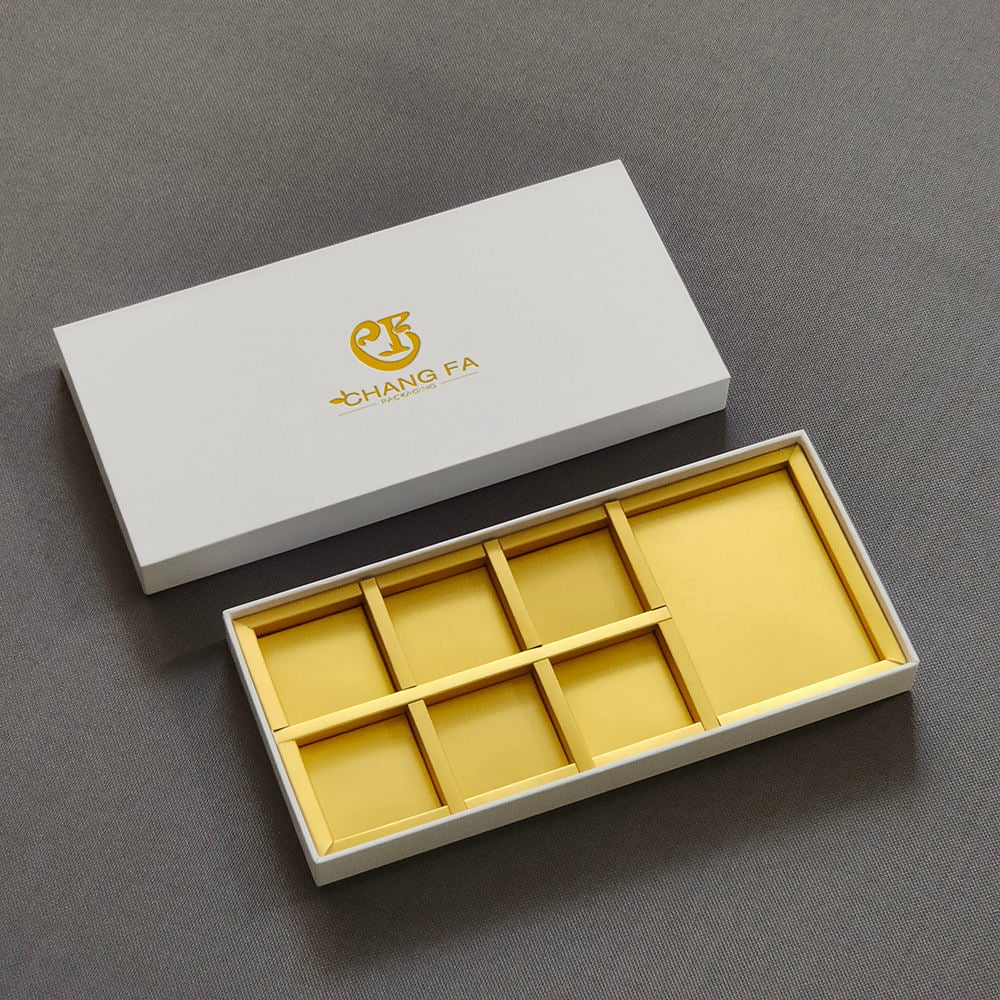
The best applications are not limited to shipping. A cardboard box with fitted cells can support storage, retail display, kitting, and repeatable packing operations. The right divider layout depends on item dimensions, fragility, access needs, and whether staff or customers will open the package. Reviewing these factors helps teams decide where a cardboard box insert solves a real handling problem instead of adding unnecessary material.
Product protection during shipment and handling
Fragile goods and separated components
Glassware, ceramic pieces, small appliances, and sensitive parts may need barriers that prevent direct contact. A cardboard box divider creates individual spaces, limiting movement when the package is lifted, turned, or placed on a conveyor. For products with edges or protrusions, the cardboard box layout should leave enough clearance to avoid pressure points while still keeping each item in its intended position.
This arrangement can also help packers see whether every component is present before closing the carton. In a cardboard box carrying several pieces, dedicated cells reduce the chance of items knocking together or becoming difficult to count. Teams can test a cardboard box sample with the actual product and packing method, checking fit after routine handling rather than relying only on measurements.
Multi-item orders and assortments
Gift sets, sample kits, and bundled orders often contain products with different shapes or finishes. A cardboard box grid keeps those pieces organized while making the contents easier to present when opened. For a boxed assortment, dividers can separate flavors, colors, or product types, so the cardboard box communicates order instead of leaving mixed items loose in the package.
The same logic suits replacement parts shipped as one order. A cardboard box can hold components in labeled or consistently arranged cells, helping the recipient identify each part without unpacking everything at once. Layout choices should reflect how the set is used: a cardboard box for field service may prioritize quick access, while a presentation package may prioritize a clean, balanced reveal.
Storage, retail, and production-floor uses
Inventory organization and point-of-sale display
Dividers can turn a shipping carton into a practical storage unit for small goods, accessories, or packaged items. In a stockroom, each cardboard box cell gives products a repeatable location, which can make visual checks and replenishment more straightforward. The interior should match the picking routine; a cardboard box with overly tight cells can slow access, while oversized spaces may let items shift.
Retail teams may also use a divided cardboard box as a temporary display or backroom organizer, particularly when products need to remain grouped by style or variant. The divider can help maintain a neat arrangement as staff remove units. Before using a cardboard box in a customer-facing area, consider appearance, access, and whether the outer carton is intended to remain visible or simply support restocking.
Kitting, assembly, and internal transfers
On production floors, kits often combine fasteners, fittings, tools, or subassemblies needed at one work station. A cardboard box with compartments can keep the kit contents together during internal movement and make missing parts easier to notice. A consistent cardboard box layout can also support repeatable work, provided the cell pattern follows the sequence in which employees use the components.
Internal transfers between departments create another useful application. Parts may travel from receiving to inspection, assembly, or service without needing a premium retail package. In that setting, a reusable or replaceable divider can help a cardboard box carry mixed items with less risk of tangling or scratching. Match the design to the transfer route, expected handling, and cleaning or reuse requirements.
Choosing a practical divider application
Fit the insert to the product and workflow
Start by mapping the products that will share the package, including their dimensions, weight, shape, and vulnerable surfaces. A cardboard box insert should separate items without forcing them into place or leaving excessive movement. Consider how a packer loads the cardboard box, where hands need access, and whether each product must stay in a particular orientation.
Next, evaluate the complete packing sequence, not just the closed package. Teams should check loading speed, closure, stacking, and unpacking with a realistic sample. If a cardboard box serves several product combinations, a modular layout may be more useful than a fixed grid. If the contents are consistent, a dedicated cardboard box divider can support a simpler, repeatable pack routine.
Balance protection, material, and presentation
The divider must offer enough separation for the risks involved, but adding cells does not automatically improve protection. Excess material can complicate packing, take up usable space, or make unpacking awkward. Choose a cardboard box arrangement that addresses actual contact and movement concerns, then confirm that the outer carton still closes securely and suits storage and transport needs.
Presentation matters when recipients open the package, especially for gifts, samples, and customer-facing kits. A cleanly arranged cardboard box can make contents easier to recognize and remove without sacrificing practical protection. For example, a divided chocolate gift package can keep individual pieces distinct and orderly; see this cardboard box format as a relevant design reference. Confirm the insert dimensions against the products before adopting a layout.
FAQ
Which products benefit most from dividers?
Products that can scratch, collide, tangle, or become difficult to count are strong candidates. A cardboard box divider is also useful for assortments and kits whose contents need clear separation. Evaluate the specific product and handling conditions; not every cardboard box requires an insert if goods already remain stable and protected.
Can one divider design serve several product sizes?
It can, when the cell dimensions and product range allow a secure fit without excessive empty space. Test each configuration in the cardboard box and check whether items stay positioned during normal handling. For substantially different shapes, separate insert layouts may work better than forcing one cardboard box design to accommodate every item.
How should a team validate a divider layout?
Build a sample using production items and the intended packing sequence. Check loading, closure, movement, retrieval, and the condition of the contents after representative handling. This practical trial shows whether the cardboard box provides useful separation and whether the cardboard box workflow remains straightforward for employees and recipients.