 EN
EN
 AR
AR
 HR
HR
 CS
CS
 DA
DA
 NL
NL
 FI
FI
 FR
FR
 DE
DE
 EL
EL
 HI
HI
 IT
IT
 JA
JA
 KO
KO
 NO
NO
 PL
PL
 PT
PT
 RO
RO
 RU
RU
 ES
ES
 SV
SV
 TL
TL
 ID
ID
 LT
LT
 SL
SL
 VI
VI
 HU
HU
 MT
MT
 TH
TH
 TR
TR
 FA
FA
 AF
AF
 MS
MS
 GA
GA
 MK
MK
 AZ
AZ
 BN
BN
 LO
LO
 LA
LA
 MN
MN

Jak lze zabránit vyblednutí texturovaného vlastního krabičky na víno?
Texturovaná zákaznická víňová krabička představuje první hmatový dojem vašeho prémiového produktu, a proto je její vzhled rozhodující pro vnímání značky. Pokud tyto krabičky vyblednou, ztrácejí svůj vizuální atraktivní vzhled i profesionální kvalitu, které ospravedlňují jejich investici. Porozumění tomu, jak vyblednutí zabránit, zajišťuje, že vaše zákaznická víňová krabička zachová svou estetickou integritu během skladování, přepravy i obchodního vystavení. Tento komplexní průvodce zkoumá vědecké principy degradace barev a praktické strategie, jak udržet vaši zákaznickou víňovou krabičku v dokonalém stavu.
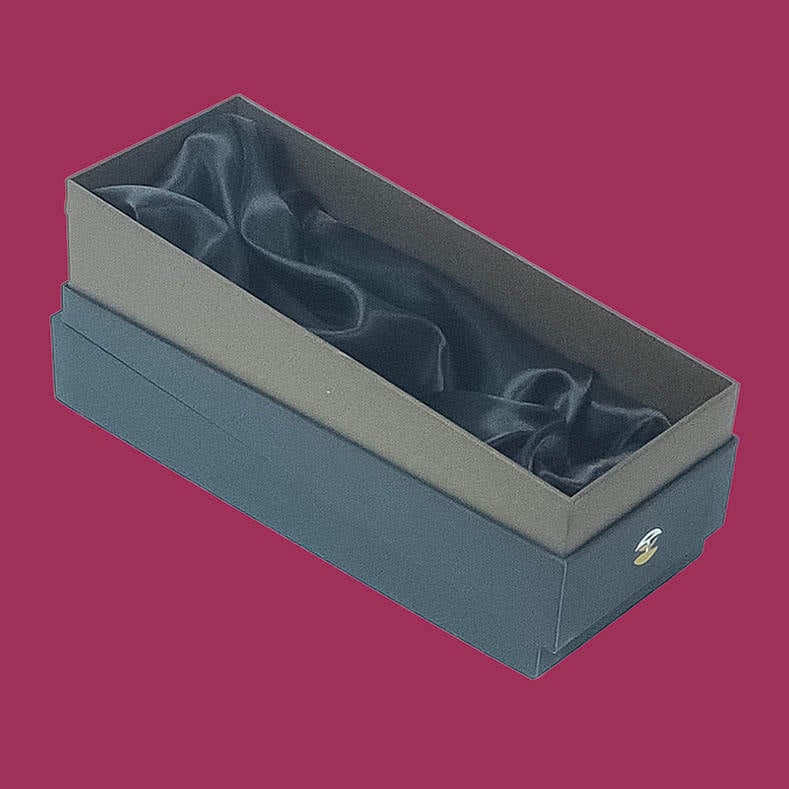
Zesvětlování nastává, když ultrafialové záření, vlhkost a další environmentální faktory rozkládají barvivové složky inkoustu a povrchové ochranné vrstvy na vašich individuálních krabicích na víno. Texturovaný povrch, ačkoli dodává sofistikovanosti a hmatové přitažlivosti, může ve skutečnosti zesvětlování urychlit, pokud podkladní ochranné vrstvy nejsou dostatečné. Zabránění tomuto úbytku vyžaduje vícevrstevný přístup, který zohledňuje jak výrobní rozhodnutí, tak podmínky ukládání. Implementací těchto ověřených technik mohou podniky zachovat premium vzhled své investice do texturovaných individuálních krabic na víno po měsíce či roky.
Pochopení příčin zesvětlování u balení individuálních krabic na víno s texturovaným povrchem
Vliv expozice ultrafialovému záření a degradace barev
UV záření je hlavní příčinou vyblednutí jakéhokoli vlastního vína krabice, zejména u texturovaných variant, kde barviva leží blíže povrchu. Přímé sluneční světlo rozrušuje molekulární vazby v barvivech inkoustu, čímž dochází ke změně barev směrem k světlejším, vybledlým odstínům. I nepřímé vnitřní osvětlení obsahující UV vlnové délky může po delší dobu poškozovat vaši vlastní vína krabici. Skladové prostory se střešními okny nebo obchodní výkladní skříně pod zářivkovým osvětlením představují významné riziko pro neprotektované materiály vaší vlastní vína krabice. Texturovaný povrch vaší vlastní vína krabice neposkytuje žádnou vnitřní odolnost vůči UV záření, pokud substrát nebo povlak neobsahuje UV blokující látky.
Účinky vlhkosti a vlhka
Vlhkost prostředí urychluje rozklad inkoustů a povlaků na vašich texturovaných vlastních krabicích na víno. Vysoká vlhkost oslabuje přilnavost mezi pigmenty a kartonovým podkladem, což způsobuje změnu barvy a nerovnoměrné vyblednutí. Skladování za vlhkých podmínek může způsobit skvrnitý vzhled na povrchu vlastních krabic na víno, čímž krabice vypadají jako starší nebo poškozené. Kondenzace vznikající uvnitř uzavřených balení způsobuje, že texturovaná vlastní krabice na víno nasává vlhkost, která se následně šíří skrz vrstvu inkoustu. Kolísání teploty v kombinaci s vlhkostí vyvolává cykly roztahování a smršťování, jež ohrožují integritu povrchové úpravy vaší vlastní krabice na víno.
Strategie ochrany na úrovni výroby pro trvanlivost vlastních krabic na víno
Výběr inkoustů a povlaků odolných proti UV záření
Výběr inkoustů odolných proti UV záření během výroby je základem prevence vyblednutí vašich texturovaných individuálních krabic na víno. Prémiové inkousty na bázi sóji a minerálního oleje vykazují vyšší odolnost proti vyblednutí ve srovnání se standardními alternativami a udržují živost barev výrazně déle. Ochranný vrchní nátěr aplikovaný na tištěný povrch vaší individuální krabice na víno vytváří bariéru proti UV záření a pronikání vlhkosti. Vodné nátěry poskytují vynikající ochranu, aniž by narušily hmatovou kvalitu texturovaných povrchů vaší individuální krabice na víno. Matné a saténové povrchy ochranných nátěrů snižují odlesk a zároveň poskytují srovnatelnou odolnost proti UV záření jako lesklé varianty na vaší texturované individuální krabici na víno.
Výběr substrátového materiálu
Samotný kartonový podklad ovlivňuje odolnost proti vyblednutí vašich vlastních vínových krabic. Vysoce kvalitní, bezkyselé materiály odolávají žloutnutí a poskytují stabilní základ pro přilnavost pigmentů ve vašem vlastním návrhu vínových krabic. Kartony z recyklovaného materiálu s vhodnou stabilizací ligninu mají při správném složení srovnatelné vlastnosti s kartony z nepoužité vlákniny. Tloušťka a hustota podkladu vašich vlastních vínových krabic ovlivňují propustnost pro vlhkost a pronikání UV světla. Požadování standardů ISO 12647 pro stabilitu barev během výroby zajistí, že vaše vlastní vínové krabice splní profesionální požadavky na udržení barev.
Ukládání a řízení prostředí pro uchování vlastních vínových krabic
Optimální podmínky pro uskladnění
Uchovávejte texturované vlastní krabice na víno při teplotě mezi 60 a 75 stupni Fahrenheita, aby se minimalizovalo riziko vyblednutí. Udržujte relativní vlhkost mezi 30 a 50 procenty, aby se zabránilo nasáknutí vlhkosti a zároveň se vyhnuli nadměrnému vysychání, které může způsobit praskání inkoustů. Temné skladovací prostory úplně eliminují expozici UV záření, takže uzavřené skříně nebo neprůhledné krabice jsou ideální pro dlouhodobou ochranu vlastních krabic na víno. Sáčky se silikagelovým absorbentem uvnitř skladovacích nádob pohltí přebytečnou vlhkost kolem vašich vlastních krabic na víno, zejména v oblastech s vysokou vlhkostí. Pravidelná rotace zásob zajistí, že starší kusy vlastních krabic na víno nebudou po delší dobu vystaveny světlu před odesláním.
Ochranné balení během přepravy
Zabalení jednotlivých vlastních krabic na víno do papíru chráněného proti UV záření představuje důležitou bariéru proti poškození světlem během dopravy. Neprůhledné vnější kartony brání pronikání světla do vnitřních vrstev vašich vlastních krabic na víno během přepravy i manipulace na skladě. Přepravní kontejnery s tepelnou regulací udržují stabilní teplotní podmínky pro vaše objednávky vlastních krabic na víno při mezinárodní nebo celostátní dopravě. Vyhnutí se přímému slunečnímu světlu při nakládání a vykládání chrání vaše vlastní krabice na víno před nadměrným UV ozářením. Plánování dodávek tak, aby se vyhnuly extrémním teplotám v jednotlivých ročních obdobích, zabrání tepelnému šoku, který urychluje degradaci inkoustu na strukturovaných površích vlastních krabic na víno.
Doporučení pro výklad u prodejců a koncových uživatelů
Nejlepší postupy pro výklad na místě prodeje
Obchodní partneři by měli umístit výkladní exponáty s přizpůsobenými krabicemi na víno mimo přímé světlo z oken a intenzivní světlo z osvětlení ve stropu, pokud je to možné. Použití LED osvětlení s nižším výstupem UV zmenšuje vyblednutí, aniž by se snižovala viditelnost vašich premium texturovaných přizpůsobených krabic na víno. Pravidelná výměna zboží v exponátech zajišťuje, že žádná jednotka není neustále vystavena světlu, čímž se rovnoměrně rozděluje expozice napříč celou zásobou přizpůsobených krabic na víno. Jasná úroveň osvětlení v exponátech by měla být udržována pod 5000 lumenů, aby se minimalizovalo fotochemické poškození inkoustů na vašich přizpůsobených krabicích na víno. Nainstalování filmu s filtrem proti UV na obchodní okna chrání produkty v přizpůsobených krabicích na víno před pronikáním denního světla zvenku.
Pokyny pro uchování spotřebitelem
Zahrnutí pokynů k péči do vašich texturovaných vlastních krabic na víno pomáhá koncovým uživatelům udržet jejich vzhled po nákupu. Doporučení chladných a temných míst pro uskladnění motivovalo zákazníky, aby s vašimi vlastními krabicemi na víno zacházeli jako s prémiovým produktem, který si zaslouží ochranu. Upozornění na nevhodnost uskladnění v suterénu v oblastech náchylných k vlhkosti brání poškození povrchu vašich vlastních krabic na víno způsobenému vlhkostí. Doporučení umístit krabice na poličky mimo přímé sluneční světlo nebo topné vývody maximalizuje trvanlivost vzhledu vašich vlastních krabic na víno. Informování zákazníků o opatřeních proti vyblednutí zabudovaných do vašich texturovaných vlastních krabic na víno zvyšuje vnímanou hodnotu produktu i reputaci značky.
Časté otázky
Jak rychle se obvykle vybledne texturovaná vlastní krabice na víno bez ochrany?
Bez ochranných povlaků nebo inkoustů odolných proti UV záření může expozice texturovaného vlastního víňového obalu ke světlu vést k patrnému vyblednutí již během 3 až 6 měsíců nepřetržitého osvětlení. Přímé sluneční světlo tento časový rámec výrazně zkracuje – viditelná změna barvy se může objevit již za 4 až 8 týdnů. Komerční standardní inkousty vyblednou rychleji než prémiové formulace, čímž se zkracuje životnost vizuálního dojmu vašeho vlastního víňového obalu. Podmínky vysoké vlhkosti výrazně zrychlují proces vyblednutí, takže teplé a vlhké prostředí nejrychleji poškozuje trvanlivost vašeho vlastního víňového obalu s texturou. Ochranná opatření mohou prodloužit dobu odolnosti proti vyblednutí na 18 až 36 měsíců nebo i déle, což ospravedlňuje investici do kvalitních výrobních standardů pro váš texturovaný vlastní víňový obal.
Lze stávající zásoby vlastních víňových obalů ošetřit, aby se zabránilo budoucímu vyblednutí?
Zpětné nanášení sprejů s ochranou proti UV záření na již existující jednotky speciálních krabic na víno má omezenou účinnost, protože barviva již byla vystavena záření do určité míry. Profesionální zařízení pro opětovné povrchové úpravy mohou aplikovat nové ochranné vrstvy na skladem uložené zásoby speciálních krabic na víno, avšak tato opatření značně zvyšují náklady a komplikují proces. Nejvhodnějším postupem je okamžitě zavést ochranné podmínky ukládání pro stávající zásoby speciálních krabic na víno, aby se minimalizovalo další poškození. Přesunutí zásob speciálních krabic na víno do klimatizovaného, temného skladu zabrání dalšímu vyblednutí, zatímco plánujete budoucí výrobu s integrovanou ochranou proti vyblednutí. Testování vzorků z vaší texturované zásoby speciálních krabic na víno dávkově pomůže posoudit, zda stávající jednotky stále vyhovují požadavkům na premium prezentaci.
Které ochranné povlaky nejlépe uchovávají vzhled textury speciálních krabic na víno?
Matové vodní povlaky zachovávají taktilní kvalitu povrchu texturovaných zvláštních krabic na víno a zároveň poskytují vynikající ochranu proti UV záření a vlhkosti. Povlaky s efektem měkkého doteku zvyšují luxusní dojem vašich zvláštních krabic na víno a zároveň přidávají odolnost proti vyblednutí srovnatelnou s běžnými matnými povlaky. Vrchní povlaky na bázi vodní polyuretanové pryskyřice nabízejí vyšší odolnost než jiné vodní povlaky, čímž chrání vaše zvláštní krabice na víno před environmentálními vlivy. Speciální povlaky vyvinuté pro recyklované materiály se výjimečně hodí pro ekologicky zaměřené texturované návrhy zvláštních krabic na víno. Testování vzorků povlaků na prototypových jednotkách texturovaných zvláštních krabic na víno zajistí, že zvolená ochranná metoda zachová požadovaný estetický i taktilní dojem.