
 EN
EN
 AR
AR
 HR
HR
 CS
CS
 DA
DA
 NL
NL
 FI
FI
 FR
FR
 DE
DE
 EL
EL
 HI
HI
 IT
IT
 JA
JA
 KO
KO
 NO
NO
 PL
PL
 PT
PT
 RO
RO
 RU
RU
 ES
ES
 SV
SV
 TL
TL
 ID
ID
 LT
LT
 SL
SL
 VI
VI
 HU
HU
 MT
MT
 TH
TH
 TR
TR
 FA
FA
 AF
AF
 MS
MS
 GA
GA
 MK
MK
 AZ
AZ
 BN
BN
 LO
LO
 LA
LA
 MN
MN
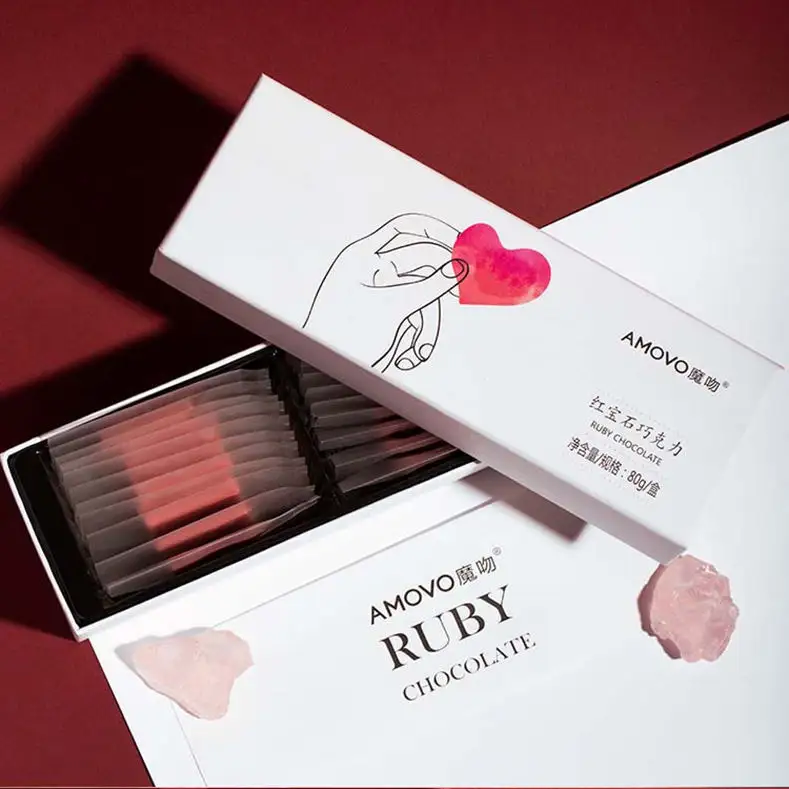
Selecting the perfect jewelry box requires careful consideration of multiple factors that affect both functionality and aesthetic appeal. Whether you're purchasing for personal use or as a gift, understanding the key elements that define quality jewelry storage solutions ensures your precious items remain organized, protected, and easily accessible. The right jewelry box serves as both a practical storage solution and an elegant display piece that complements your personal style and living space.
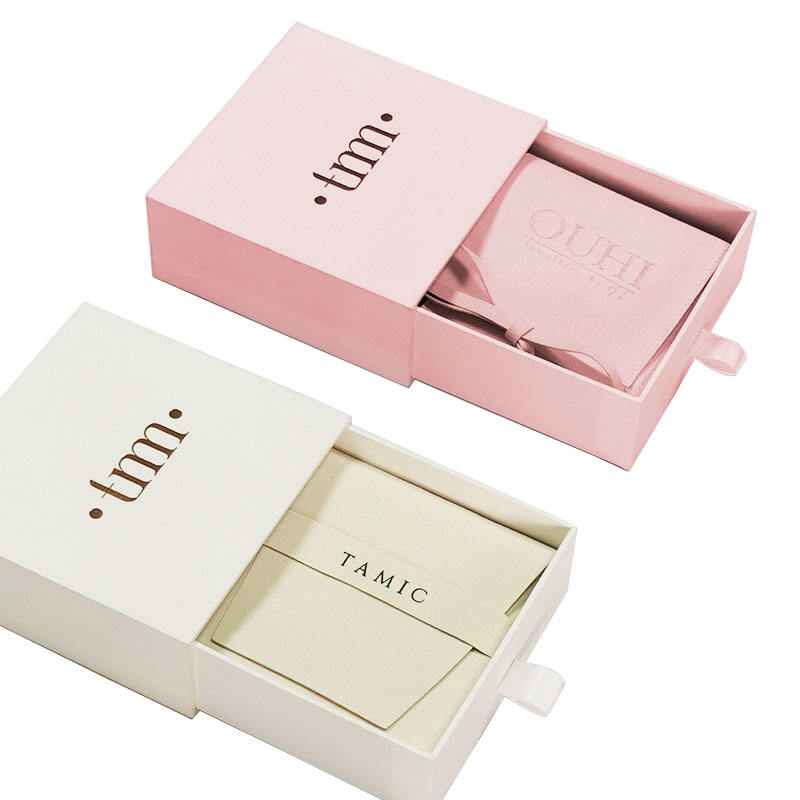
Essential Materials and Construction Quality
Wood Selection and Durability
High-quality wooden jewelry box options typically feature solid hardwoods like mahogany, cherry, or oak that provide exceptional durability and natural beauty. These premium materials resist warping, cracking, and moisture damage while developing an attractive patina over time. The construction method significantly impacts longevity, with dovetail joints and reinforced corners indicating superior craftsmanship compared to simple glued assemblies.
Softwood alternatives like pine or composite materials offer budget-friendly options but may compromise long-term durability. When evaluating wooden jewelry box construction, examine the finish quality, ensuring smooth surfaces without rough edges or visible imperfections. Quality manufacturers apply multiple protective coating layers that resist scratches and maintain appearance through regular use.
Alternative Material Options
Modern jewelry box designs incorporate various materials including leather, metal, acrylic, and fabric-covered options that cater to different style preferences and budget ranges. Leather jewelry boxes provide sophisticated elegance with natural aging characteristics, while metal variants offer contemporary appeal with enhanced security features. Acrylic models showcase jewelry collections through transparent construction while maintaining dust protection.
Each material presents unique maintenance requirements and aesthetic qualities that should align with your storage needs and décor preferences. Consider factors like climate resistance, cleaning requirements, and compatibility with your existing furniture when selecting materials for your jewelry box investment.
Interior Organization and Layout Features
Compartment Design and Functionality
Effective jewelry box organization relies on thoughtfully designed compartments that accommodate various jewelry types without causing damage or tangling. Look for models featuring multiple drawer depths, adjustable dividers, and specialized sections for rings, earrings, necklaces, and bracelets. Quality interior design prevents jewelry pieces from moving during transport while providing easy access to individual items.
Ring rolls, earring holders, and necklace hooks represent essential organizational features that maximize storage efficiency while protecting delicate pieces. Some advanced jewelry box models include removable trays and modular components that allow customization based on your collection's specific requirements and future growth.
Protective Lining Materials
Interior lining materials directly impact jewelry protection and presentation quality, with velvet, silk, and specialized anti-tarnish fabrics representing popular choices among quality manufacturers. Velvet linings provide soft cushioning that prevents scratches while creating an luxurious appearance that enhances jewelry display. The pile direction and density affect both protection levels and visual appeal.
Anti-tarnish treatments in jewelry box linings help preserve silver and other metal finishes by neutralizing harmful chemicals and moisture that cause oxidation. These specialized fabrics extend the time between jewelry cleaning sessions while maintaining optimal appearance for precious metals and gemstones stored within the container.
Size Considerations and Storage Capacity
Assessing Your Collection Requirements
Determining appropriate jewelry box size requires honest assessment of your current collection plus anticipated future acquisitions. Small jewelry box models work well for minimalist collections or travel purposes, while larger units accommodate extensive collections with room for growth. Consider the physical dimensions of your largest pieces, including statement necklaces and oversized bracelets that require additional clearance.
Measure your available display space carefully, ensuring the selected jewelry box fits comfortably without overwhelming the surrounding area. Factor in clearance requirements for opening drawers and accessing upper compartments, particularly in tight spaces like dressing room tables or bedroom furniture arrangements.
Multi-Level and Expandable Options
Stackable jewelry box systems offer flexibility for growing collections while maintaining organized storage principles. These modular designs allow users to add additional levels as needed without replacing the entire storage solution. Look for models with secure stacking mechanisms and consistent aesthetic design that maintains visual continuity across multiple units.
Some jewelry box manufacturers offer expansion accessories like additional trays, drawer inserts, and specialized holders that integrate seamlessly with base units. This approach provides cost-effective collection growth options while maintaining organizational consistency throughout your storage system.
Security and Safety Features
Locking Mechanisms and Access Control
Security considerations become increasingly important as jewelry collections grow in value and sentimental significance. Quality jewelry box models incorporate various locking mechanisms ranging from simple key locks to sophisticated combination systems and biometric access controls. Traditional key locks provide basic security while maintaining classic aesthetic appeal suitable for most residential applications.
Advanced security features like hidden compartments, alarm systems, and tamper-evident seals offer enhanced protection for high-value collections. Consider your specific security needs balanced against convenience requirements, as overly complex systems may discourage regular jewelry box use and maintenance.
Child Safety and Accident Prevention
Households with young children require additional safety considerations in jewelry box selection, including smooth edges, secure closures, and materials free from toxic finishes or small parts. Look for models with soft-close hinges that prevent finger pinching and weighted bases that resist tipping during exploration by curious hands.
Some jewelry box designs incorporate childproof locks or elevated placement options that maintain security while ensuring family safety. Consider these features as essential rather than optional when young children regularly access areas where jewelry storage occurs.
Aesthetic Design and Style Compatibility
Matching Décor Themes and Personal Style
Your jewelry box selection should complement existing décor while reflecting personal style preferences that evolve over time. Traditional wooden designs work well with classic furniture styles, while contemporary materials like acrylic or metal suit modern minimalist environments. Consider the jewelry box as both functional storage and decorative accent piece that contributes to overall room aesthetics.
Color coordination plays a crucial role in jewelry box integration, with neutral tones offering versatility across various design schemes. Bold colors or unique finishes can serve as statement pieces but may limit future décor flexibility. Evaluate your commitment to current design themes when selecting distinctive jewelry box styles.
Customization and Personalization Options
Many manufacturers offer customization services including engraving, monogramming, and custom interior configurations that create unique jewelry box solutions. These personal touches enhance sentimental value while ensuring the storage solution perfectly matches individual requirements. Consider personalization options that add meaning without compromising functionality or resale value.
Custom jewelry box orders typically require longer delivery times and higher costs but provide exactly the features and appearance desired. Weigh these factors against readily available options that may require minor compromises but offer immediate availability and standard pricing structures.
Maintenance Requirements and Longevity
Cleaning and Care Protocols
Different jewelry box materials require specific maintenance approaches to preserve appearance and functionality over extended periods. Wooden models benefit from periodic conditioning with appropriate wood treatments, while metal surfaces may require specialized cleaners to prevent corrosion and maintain finish quality. Understanding these requirements before purchase ensures long-term satisfaction with your jewelry box investment.
Interior maintenance involves regular cleaning of lining materials and organizational components to remove dust, oils, and residues that can transfer to stored jewelry. Some jewelry box linings are removable for washing, while others require careful spot cleaning with appropriate products that won't damage protective treatments or colors.
Warranty Coverage and Manufacturer Support
Reputable jewelry box manufacturers typically offer warranty coverage that protects against construction defects and material failures under normal use conditions. Review warranty terms carefully, noting coverage duration, replacement procedures, and maintenance requirements that may affect claim validity. Quality manufacturers stand behind their products with responsive customer service and replacement part availability.
Consider the manufacturer's reputation for long-term support when selecting between similar jewelry box options, as ongoing availability of replacement components and repair services significantly impacts total ownership experience. Established brands often provide superior support infrastructure compared to newer or overseas manufacturers with limited local presence.
Budget Considerations and Value Assessment
Price Range Analysis and Feature Comparison
Jewelry box pricing varies dramatically based on materials, construction quality, features, and brand reputation, with basic models starting under fifty dollars and premium options exceeding several hundred. Establish a realistic budget range considering both immediate needs and long-term collection growth plans. Higher initial investment in quality construction often provides better long-term value through extended durability and enhanced protection.
Compare features across similar price points rather than focusing solely on lowest cost options, as quality differences significantly impact user satisfaction and jewelry protection levels. Consider the replacement cost of damaged jewelry against jewelry box investment when evaluating spending priorities for protection and organization solutions.
Cost-Benefit Analysis for Long-Term Use
Quality jewelry box purchases represent long-term investments that should provide decades of reliable service with proper care and maintenance. Calculate annual ownership costs by dividing purchase price by expected service life, then compare against replacement costs for lower-quality alternatives that may require frequent replacement or cause jewelry damage through inadequate protection.
Factor in additional costs like customization, delivery, and optional accessories when comparing total investment requirements across different jewelry box options. Some manufacturers offer package deals or seasonal promotions that provide enhanced value for comprehensive storage solutions.
FAQ
What size jewelry box do I need for a typical collection
The ideal jewelry box size depends on your collection's current scope and anticipated growth over the next several years. Most individuals find that medium-sized models with 4-6 compartments accommodate typical collections including rings, earrings, necklaces, and bracelets. Measure your largest pieces to ensure adequate clearance, and consider models with expandable features if you regularly acquire new jewelry pieces.
How do I maintain different jewelry box materials properly
Wooden jewelry box maintenance requires periodic dusting with microfiber cloths and occasional conditioning with appropriate wood products to prevent drying and cracking. Leather models benefit from specialized leather cleaners and conditioners applied according to manufacturer instructions. Metal and acrylic options typically require only gentle cleaning with appropriate non-abrasive products to maintain appearance and functionality.
Are expensive jewelry boxes worth the additional investment cost
Premium jewelry box models typically justify higher costs through superior materials, enhanced security features, better interior organization, and extended warranty coverage. Quality construction provides decades of reliable service while protecting valuable jewelry from damage, theft, and environmental factors. Consider the replacement value of your jewelry collection when evaluating protection investment priorities and long-term ownership benefits.
What security features should I prioritize in jewelry box selection
Essential security features include reliable locking mechanisms, sturdy construction that resists tampering, and discreet appearance that doesn't advertise valuable contents. Consider your specific risk factors including home security, collection value, and family circumstances when selecting appropriate protection levels. Basic key locks provide adequate security for most residential applications, while high-value collections may benefit from advanced security features and specialized storage solutions.