
 EN
EN
 AR
AR
 HR
HR
 CS
CS
 DA
DA
 NL
NL
 FI
FI
 FR
FR
 DE
DE
 EL
EL
 HI
HI
 IT
IT
 JA
JA
 KO
KO
 NO
NO
 PL
PL
 PT
PT
 RO
RO
 RU
RU
 ES
ES
 SV
SV
 TL
TL
 ID
ID
 LT
LT
 SL
SL
 VI
VI
 HU
HU
 MT
MT
 TH
TH
 TR
TR
 FA
FA
 AF
AF
 MS
MS
 GA
GA
 MK
MK
 AZ
AZ
 BN
BN
 LO
LO
 LA
LA
 MN
MN
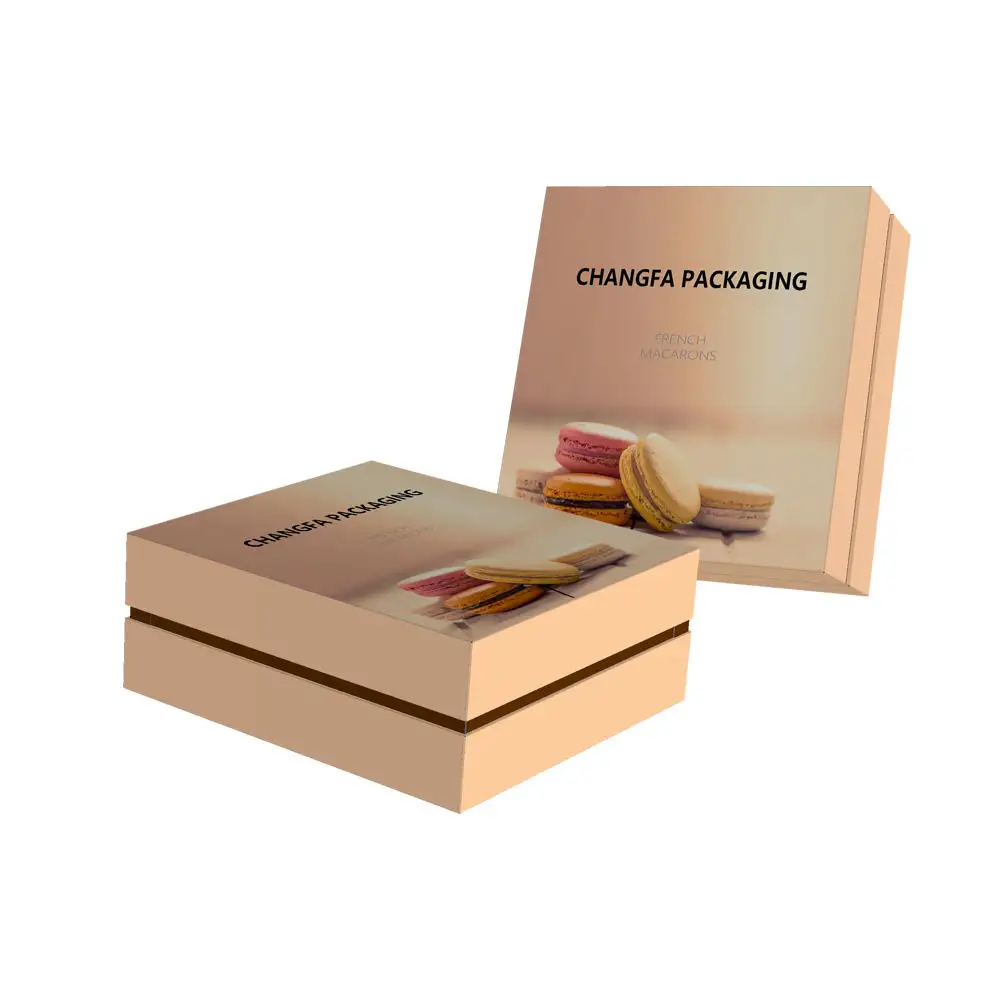
Shipping fragile candle products presents unique challenges that require specialized packaging solutions to prevent damage during transit. A sturdy candle box serves as the first line of defense against breakage, moisture exposure, and structural damage that can result in significant financial losses and customer dissatisfaction. The delicate nature of candle products, whether they contain glass vessels, intricate wax formations, or decorative elements, demands packaging that can withstand the rigors of modern shipping environments while maintaining product integrity from warehouse to doorstep.
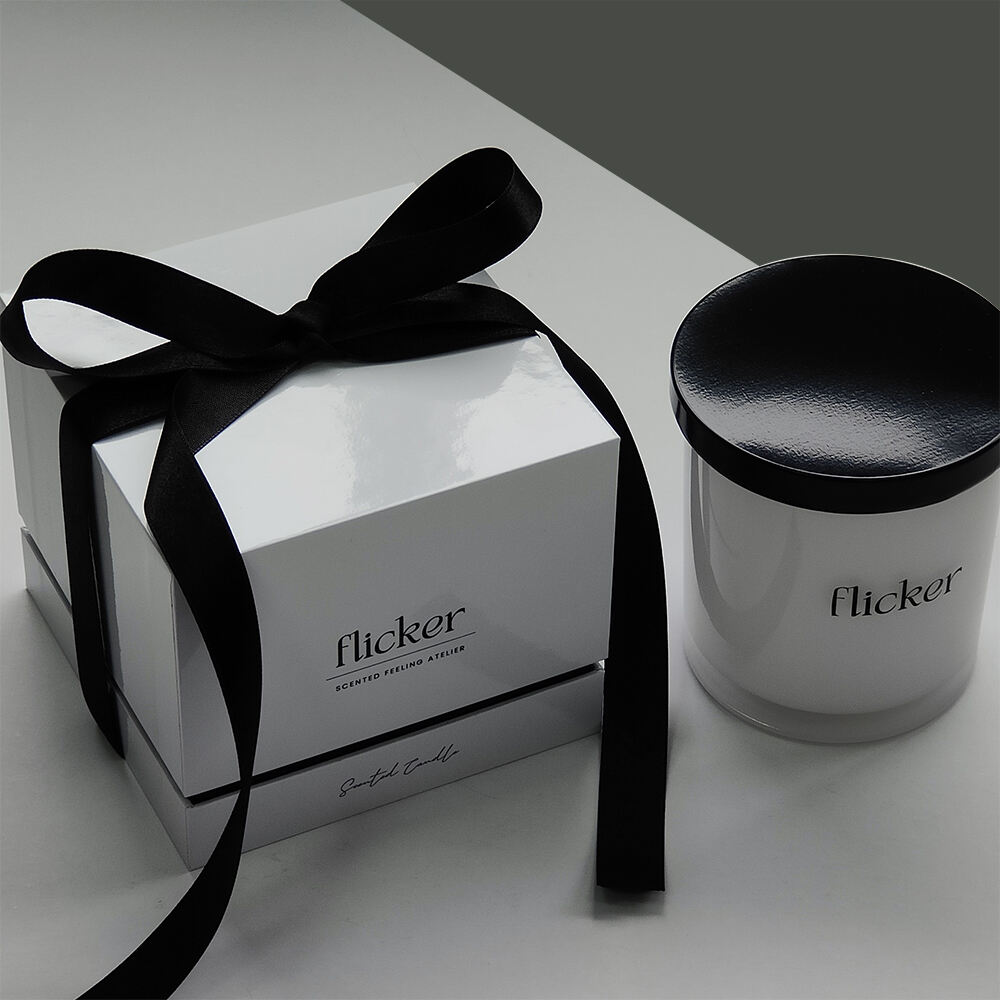
Understanding the essential characteristics that make a sturdy candle box effective for fragile product shipping requires examining multiple factors including material composition, structural design, cushioning capabilities, and environmental protection features. The investment in proper candle packaging directly correlates with reduced return rates, enhanced brand reputation, and improved customer satisfaction scores. Professional candle manufacturers and retailers recognize that the quality of their packaging solution often determines the success of their shipping operations and overall business profitability.
Critical Material Properties for Fragile Candle Protection
Cardboard Thickness and Density Requirements
The foundation of any sturdy candle box begins with selecting cardboard materials that offer adequate thickness and density to protect fragile contents. High-quality corrugated cardboard typically ranges from 32 ECT to 44 ECT edge crush test ratings, providing the structural integrity needed to resist compression forces during stacking and handling. A well-constructed sturdy candle box utilizes double-wall or triple-wall corrugated materials for maximum protection, ensuring that even heavy items stacked above during shipping cannot compromise the internal space where fragile candles rest securely.
Material density plays an equally important role in determining protection levels, as denser cardboard formulations resist puncture damage and maintain structural integrity even when exposed to moisture or temperature fluctuations. The fiber composition of premium cardboard used in sturdy candle box manufacturing incorporates recycled and virgin fibers in optimal ratios to balance strength, cost-effectiveness, and environmental sustainability. Testing protocols for material selection should include drop tests, compression tests, and edge crush evaluations to verify that the chosen cardboard can withstand typical shipping stresses without failure.
Moisture Resistance and Barrier Properties
Candle products require protection from moisture infiltration that can damage wax surfaces, compromise wick integrity, and cause label deterioration during shipping. A properly engineered sturdy candle box incorporates moisture-resistant coatings or barrier materials that prevent humidity penetration while maintaining breathability to avoid condensation buildup. Wax-based coatings, polyethylene linings, or specialized barrier films can be integrated into the box design to create effective moisture protection without significantly increasing packaging costs.
Temperature fluctuations during shipping can cause expansion and contraction cycles that stress both the candle products and their packaging, making thermal stability an essential characteristic of any sturdy candle box system. Advanced barrier materials help regulate internal temperature changes while preventing external moisture from affecting product quality. The selection of appropriate barrier technologies depends on shipping duration, climate conditions, and specific product sensitivity requirements that vary across different candle formulations and vessel materials.
Structural Design Elements for Impact Protection
Corner Reinforcement and Edge Protection
The corners and edges of a sturdy candle box represent the most vulnerable areas where impact damage typically occurs during handling and shipping operations. Professional packaging engineers incorporate reinforced corner designs using additional cardboard layers, plastic corner protectors, or specialized folding techniques that distribute impact forces across broader surface areas. These reinforcement strategies significantly reduce the likelihood of corner crush damage that can transmit destructive forces directly to fragile candle contents nestled within the protective packaging system.
Edge protection mechanisms extend beyond simple reinforcement to include crush-resistant fluting orientations and strategic placement of structural support elements throughout the sturdy candle box design. Advanced edge protection systems utilize interlocking tabs, reinforced fold lines, and multi-layer construction techniques that maintain box integrity even when subjected to rough handling conditions common in freight shipping environments. The investment in superior edge protection directly correlates with reduced damage claims and improved customer satisfaction ratings.
Internal Compartmentalization and Cushioning Systems
Effective internal compartmentalization within a sturdy candle box prevents movement-related damage by securing individual products in dedicated spaces sized to minimize shifting during transport. Custom-fitted inserts made from corrugated cardboard, molded pulp, or foam materials create protective barriers between multiple candles while absorbing shock forces that might otherwise cause collisions between fragile items. The design of these internal systems requires careful consideration of product dimensions, weight distribution, and potential movement patterns during various shipping scenarios.
Cushioning materials integrated into sturdy candle box designs range from traditional options like bubble wrap and foam padding to innovative sustainable alternatives including corrugated inserts, paper-based cushioning, and biodegradable protective materials. The selection of appropriate cushioning depends on product fragility levels, shipping distance, handling intensity, and environmental considerations that align with brand sustainability commitments. Proper cushioning distribution ensures that impact forces are absorbed and dissipated rather than transmitted directly to vulnerable candle surfaces or glass vessels.
Dimensional Engineering for Optimal Protection
Size Optimization and Space Utilization
The dimensions of a sturdy candle box must balance multiple competing requirements including product protection, shipping efficiency, material cost optimization, and storage space utilization. Oversized packaging wastes materials and increases shipping costs while providing excessive empty space that allows products to shift and potentially suffer damage during transit. Conversely, undersized packaging compromises protection levels and may not accommodate necessary cushioning materials that ensure safe delivery of fragile candle products to their final destinations.
Professional packaging engineers utilize dimensional analysis techniques to determine optimal box sizing that minimizes material usage while maximizing protection effectiveness for specific candle product configurations. This analysis considers factors such as product weight distribution, center of gravity calculations, and dynamic loading conditions that occur during various transportation modes. The resulting sturdy candle box dimensions represent an engineered compromise that achieves protection objectives while maintaining cost-effectiveness and operational efficiency throughout the supply chain.
Stacking Strength and Compression Resistance
Warehouse storage and shipping container loading require sturdy candle box designs that can withstand significant compression forces when stacked with other packages during extended storage periods. Compression strength testing evaluates the maximum load-bearing capacity of packaging designs under controlled conditions that simulate real-world stacking scenarios. A properly engineered sturdy candle box maintains its structural integrity and internal protection capabilities even when supporting substantial weight loads for extended periods without compromising fragile candle safety.
Dynamic compression forces encountered during shipping operations differ significantly from static warehouse stacking conditions, requiring advanced testing protocols that evaluate packaging performance under vibration, acceleration, and impact loading conditions. The design of compression-resistant sturdy candle box systems incorporates strategic placement of structural support elements, optimized flute orientations, and reinforced load-bearing surfaces that maintain protection effectiveness throughout the entire shipping cycle from origin to final delivery destination.
Quality Assurance and Performance Validation
Testing Protocols and Standards Compliance
Comprehensive testing protocols ensure that sturdy candle box designs meet or exceed industry standards for packaging performance and safety requirements. Standard testing procedures include drop tests from various heights and orientations, compression testing under specified load conditions, and vibration testing that simulates transportation stresses encountered during different shipping modes. These testing protocols validate that the packaging system provides adequate protection for fragile candle products while maintaining structural integrity throughout realistic shipping scenarios.
Compliance with relevant packaging standards such as ISTA testing procedures, ASTM material specifications, and international shipping regulations ensures that sturdy candle box designs meet minimum performance requirements for commercial shipping applications. Regular testing and validation procedures help identify potential weaknesses in packaging designs before they result in product damage or customer complaints. The documentation of testing results provides valuable data for continuous improvement initiatives and helps establish confidence in packaging performance capabilities.
Cost-Benefit Analysis and ROI Considerations
The financial justification for investing in high-quality sturdy candle box designs extends beyond initial packaging costs to include considerations of damage prevention, customer satisfaction, and brand reputation protection. Comprehensive cost-benefit analysis evaluates the total cost of ownership including packaging materials, labor for packing operations, shipping costs, damage claims, return processing, and customer service expenses associated with damaged shipments. The superior protection provided by well-designed sturdy candle box systems typically generates positive return on investment through reduced damage rates and improved operational efficiency.
Long-term financial benefits of premium packaging solutions include enhanced brand reputation, increased customer loyalty, reduced customer service workload, and improved operational predictability that supports business growth objectives. The calculation of packaging ROI requires consideration of both quantifiable cost savings and qualitative benefits such as customer satisfaction improvements and brand image enhancement that contribute to sustainable competitive advantages in fragile product markets.
FAQ
What thickness of cardboard provides adequate protection for fragile candles during shipping?
For fragile candle shipping applications, cardboard with an edge crush test rating between 32 ECT and 44 ECT typically provides adequate protection, with double-wall corrugated construction recommended for heavier or more delicate products. The specific thickness requirements depend on factors such as candle weight, vessel material, shipping distance, and handling intensity expected during transit.
How does moisture resistance affect candle product quality during shipping?
Moisture infiltration can cause significant damage to candle products including wax surface deterioration, wick degradation, label damage, and potential mold growth on natural wax formulations. A sturdy candle box with appropriate moisture barriers prevents humidity penetration while maintaining adequate ventilation to avoid condensation buildup that could compromise product integrity during extended shipping periods.
What internal cushioning materials work best for protecting glass candle vessels?
Glass candle vessels require specialized cushioning systems including molded pulp inserts, corrugated separators, or custom-fitted foam padding that prevents movement and absorbs impact forces. The cushioning material selection should consider product dimensions, fragility levels, environmental sustainability requirements, and cost considerations while ensuring adequate protection throughout the shipping process.
How do compression forces during stacking affect candle packaging integrity?
Compression forces from stacking can cause structural failure in inadequately designed packaging, resulting in crushed boxes and damaged candle products. A properly engineered sturdy candle box incorporates reinforced load-bearing surfaces, optimized flute orientations, and strategic support elements that maintain structural integrity even under significant stacking loads encountered in warehouse and shipping environments.
Table of Contents
- Critical Material Properties for Fragile Candle Protection
- Structural Design Elements for Impact Protection
- Dimensional Engineering for Optimal Protection
- Quality Assurance and Performance Validation
-
FAQ
- What thickness of cardboard provides adequate protection for fragile candles during shipping?
- How does moisture resistance affect candle product quality during shipping?
- What internal cushioning materials work best for protecting glass candle vessels?
- How do compression forces during stacking affect candle packaging integrity?