
 EN
 AR
 HR
 CS
 DA
 NL
 FI
 FR
 DE
 EL
 HI
 IT
 JA
 KO
 NO
 PL
 PT
 RO
 RU
 ES
 SV
 TL
 ID
 LT
 SL
 VI
 HU
 MT
 TH
 TR
 FA
 AF
 MS
 GA
 MK
 AZ
 BN
 LO
 LA
 MN
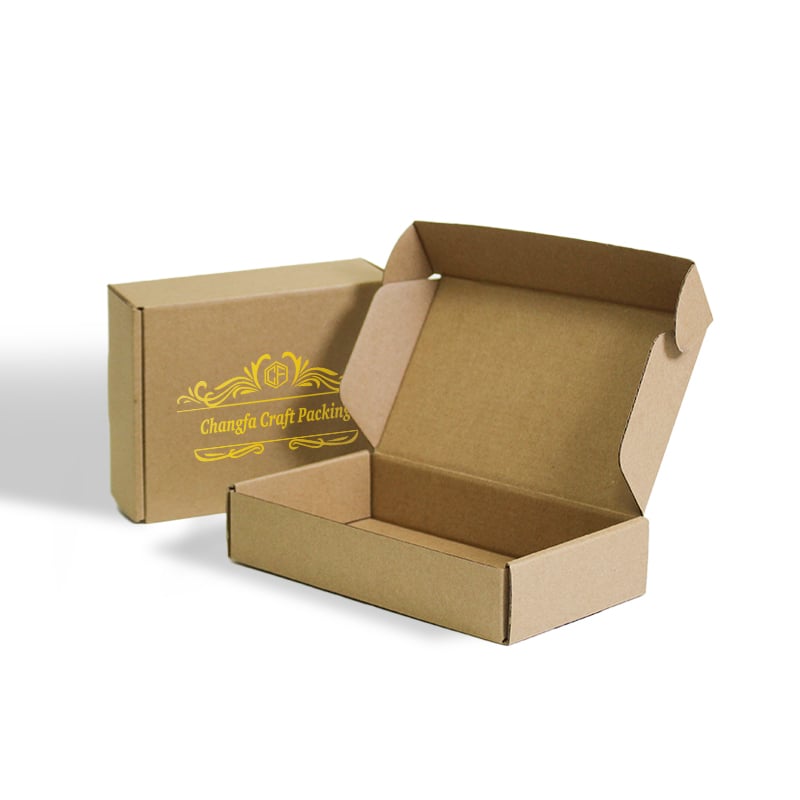
Reducing packaging waste has become a priority for companies looking to control costs, meet sustainability commitments, and streamline logistics operations. One of the most effective ways businesses achieve this is by moving away from generic packaging and adopting a custom shipping box designed specifically around their products and shipping conditions. Changfa Packaging, with over 20 years of experience in corrugated packaging manufacturing, has worked with businesses across various industries to reduce material waste without compromising product protection. This article examines the specific ways a custom shipping box contributes to lower overall corporate packing waste.
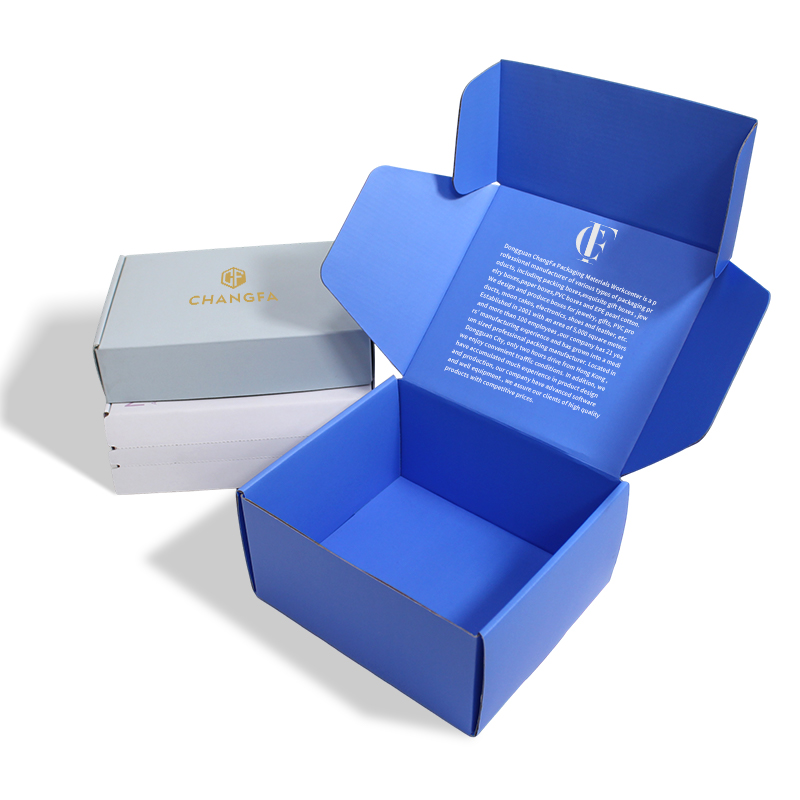
Eliminating Oversized Packaging
A significant source of packaging waste comes from using boxes that are too large for the products they contain. Oversized boxes not only waste corrugated material but also require additional filler such as air pillows, packing paper, or foam inserts to stabilize the product during transit. When a custom shipping box is designed to match the exact dimensions of a product, this excess material is eliminated at the source. Changfa Packaging works directly with businesses to determine optimal box dimensions based on product size, weight, and fragility, reducing the volume of raw material used per unit shipped. This also lowers dimensional weight charges from shipping carriers, providing a cost benefit alongside the waste reduction.
Reducing the Need for Secondary Packing Materials
Generic, ill-fitting boxes often require secondary materials to prevent products from shifting during transit. This added packaging—bubble wrap, loose fill, or excess tape—contributes to overall waste and is frequently discarded immediately upon unboxing. Because a custom shipping box is engineered to fit the product snugly while still maintaining adequate pressure resistance, the reliance on these secondary materials is significantly reduced. Fewer filler materials mean less waste generated at the point of delivery, benefiting both the company's environmental footprint and the customer's unboxing experience.
Preventing Damage-Related Waste
Damaged products during shipping represent one of the most costly and wasteful outcomes in the supply chain. When a box lacks sufficient structural integrity, products can arrive crushed, dented, or otherwise unusable, leading to returns, replacements, and the disposal of damaged packaging materials. Changfa Packaging addresses this by matching flute type and wall structure to the specific weight and fragility of each product, ensuring the custom shipping box can withstand stacking pressure and handling stress throughout the shipping journey. Reducing damage rates directly reduces the volume of wasted packaging and products that would otherwise need to be reshipped or discarded.
Standard Packaging vs. Custom Shipping Box: Waste Comparison
| Waste Factor | Standard Packaging | Changfa Custom Shipping Box |
|---|---|---|
| Box-to-Product Fit | Often oversized | Matched precisely to product dimensions |
| Filler Material Use | High, due to poor fit | Reduced due to snug design |
| Damage-Related Returns | Higher due to generic strength ratings | Lower through tailored structural design |
| Material Consumption per Unit | Higher | Optimized and reduced |
| Shipping Volume Efficiency | Less efficient use of space | Improved space efficiency reduces freight waste |
This comparison highlights how a custom shipping box addresses waste at multiple points in the packaging and shipping process, rather than focusing on a single factor.
Improving Shipping Efficiency and Space Utilization
Beyond the box itself, packaging waste is also tied to how efficiently products are transported. Ill-fitting boxes create wasted space within shipping containers and delivery vehicles, leading to more trips, higher fuel consumption, and increased packaging turnover. A custom shipping box designed with accurate dimensions allows more products to be shipped per container or pallet load, improving overall space utilization. This indirectly reduces the number of shipments required, which in turn lowers the cumulative packaging material used across a company's supply chain over time.
Supporting Long-Term Waste Reduction Strategies
Companies aiming to reduce packing waste on a larger scale benefit from working with a manufacturer that understands how product type, shipping distance, and handling conditions influence packaging requirements. With decades of manufacturing experience, Changfa Packaging helps businesses identify where a custom shipping box can replace multiple generic box sizes, consolidating packaging needs and reducing the complexity—and waste—associated with managing numerous standard box types across a product catalog.
Frequently Asked Questions
Does switching to a custom shipping box significantly reduce material waste?
Yes. Matching box dimensions to product size reduces excess cardboard use and lowers the need for additional filler materials.
Can a custom shipping box reduce shipping-related costs as well as waste?
Often, yes. Reduced dimensional weight and improved space utilization can lower shipping costs alongside material waste.
How does reducing product damage relate to packaging waste?
Fewer damaged shipments mean fewer replacement products and less discarded packaging, making durability an important factor in waste reduction.
Is it necessary to redesign packaging for every product to reduce waste?
Not always. Businesses can prioritize high-volume or high-damage-rate products first when transitioning to custom shipping box solutions.
Final Thoughts
Lowering corporate packing waste requires more than switching materials—it requires rethinking how packaging is designed and matched to actual product and shipping needs. By adopting a custom shipping box tailored to specific dimensions, weight, and handling requirements, businesses can meaningfully reduce material waste, minimize damage-related losses, and improve overall shipping efficiency. With over 20 years of manufacturing expertise, Changfa Packaging continues to help companies design packaging solutions that support both operational efficiency and long-term waste reduction goals.