
 EN
EN
 AR
AR
 HR
HR
 CS
CS
 DA
DA
 NL
NL
 FI
FI
 FR
FR
 DE
DE
 EL
EL
 HI
HI
 IT
IT
 JA
JA
 KO
KO
 NO
NO
 PL
PL
 PT
PT
 RO
RO
 RU
RU
 ES
ES
 SV
SV
 TL
TL
 ID
ID
 LT
LT
 SL
SL
 VI
VI
 HU
HU
 MT
MT
 TH
TH
 TR
TR
 FA
FA
 AF
AF
 MS
MS
 GA
GA
 MK
MK
 AZ
AZ
 BN
BN
 LO
LO
 LA
LA
 MN
MN
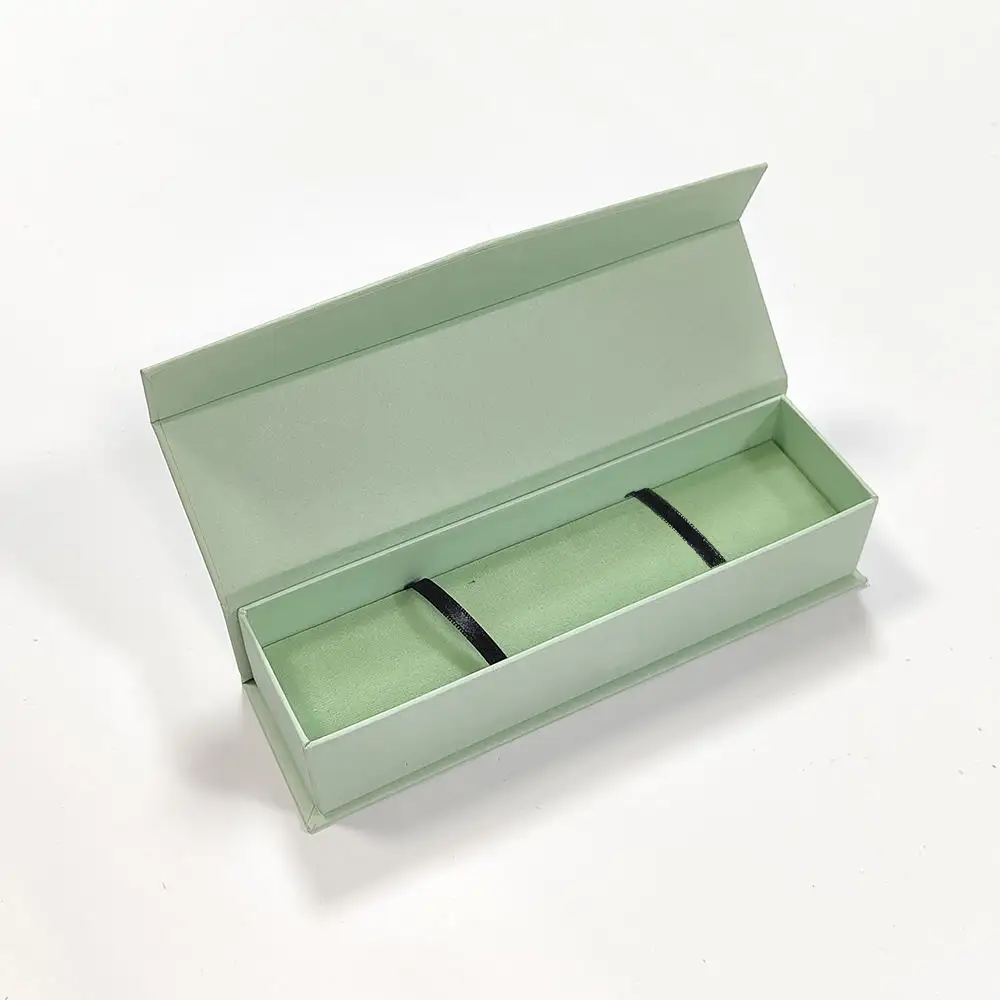
Selecting the appropriate candle box dimensions and design requires careful consideration of your specific candle type, whether pillar or jar candles. The wrong packaging choice can lead to product damage during shipping, poor customer unboxing experiences, and increased return rates. Understanding the fundamental differences between pillar and jar candle packaging needs forms the foundation for making informed candle box decisions that protect your products and enhance brand presentation.
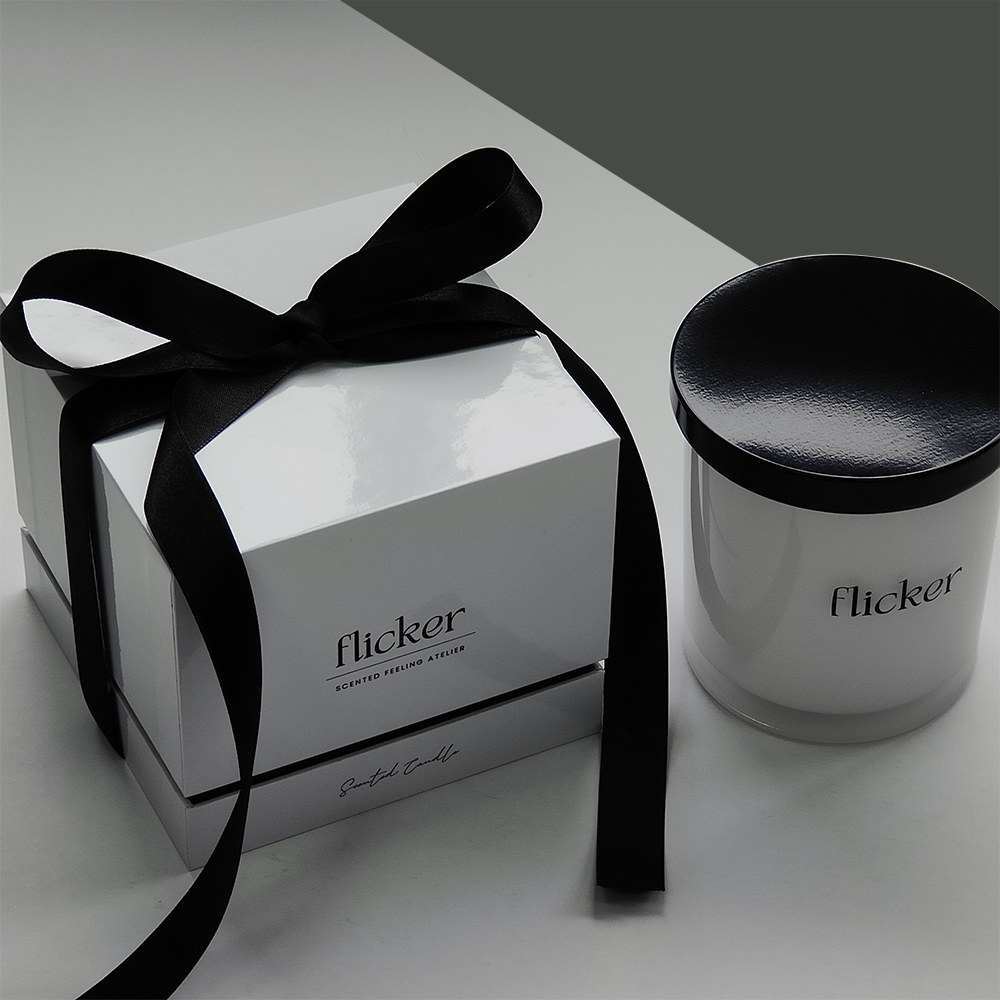
The candle box selection process involves analyzing multiple factors including candle dimensions, weight distribution, protection requirements, and presentation goals. Pillar candles demand different structural support than jar candles due to their exposed wax surfaces and varied heights. Jar candles require accommodations for their glass containers and broader bases. This comprehensive approach ensures your packaging investment delivers maximum protection while creating memorable customer experiences that reflect your brand quality.
Understanding Pillar Candle Boxing Requirements
Measuring Pillar Candle Dimensions Accurately
Pillar candles require precise measurement techniques to determine the correct candle box size. Measure the candle's height at its tallest point, including any decorative elements or uneven tops. The diameter measurement should account for the widest point of the candle, as pillar candles often have slight variations in width throughout their length. Add at least half an inch to both height and width measurements to ensure adequate cushioning space within the candle box.
Weight distribution plays a crucial role in pillar candle packaging design. Unlike jar candles with stable glass bases, pillar candles can shift during transport if not properly secured. The candle box interior should provide consistent support along the candle's base while preventing lateral movement. Consider the wax density and overall weight when selecting cardboard thickness and structural reinforcement options for your packaging solution.
Structural Design Considerations for Pillar Candles
Pillar candle packaging demands specific structural elements to prevent damage during handling and shipping. The candle box base requires sufficient rigidity to support the candle's weight without sagging or deforming. Vertical walls must maintain their shape under pressure to protect the candle's sides from impacts. Interior cushioning materials should cradle the candle securely without leaving marks on the wax surface.
Ventilation considerations become important for certain pillar candle types, particularly those with strong fragrances or decorative elements that may be sensitive to trapped moisture. The candle box design should allow minimal air circulation while maintaining structural integrity. Perforation patterns or subtle ventilation slots can address these needs without compromising the packaging's protective capabilities or visual appeal.
Jar Candle Packaging Specifications
Glass Container Protection Strategies
Jar candles present unique packaging challenges due to their glass containers, which require comprehensive protection against impact and thermal shock. The candle box must accommodate the jar's full dimensions, including lid height and any protruding elements like handles or decorative features. Measure from the jar's base to the highest point of the lid, then add cushioning space to prevent the lid from contacting the box ceiling during transport vibrations.
Corner protection becomes critical for jar candle packaging since glass containers are most vulnerable at stress concentration points. The candle box interior should include specialized corner cushioning or molded inserts that distribute impact forces away from these vulnerable areas. This protection strategy significantly reduces breakage rates during shipping and handling processes.
Lid and Base Clearance Requirements
Jar candle lids require specific clearance considerations that differ from pillar candle packaging needs. Measure the lid's diameter separately from the jar body, as many candle jars have lids that extend beyond the container's edge. The candle box width must accommodate this lid overhang while providing adequate wall thickness for structural support. Standard clearance recommendations suggest adding three-quarters of an inch to the lid diameter measurement.
Base stability considerations for jar candles focus on preventing rolling or sliding within the candle box during transport. Jar candles typically have lower centers of gravity than pillar candles, but their smooth glass surfaces can create sliding issues. Interior packaging materials should create friction points that secure the jar without scratching the glass surface or interfering with label visibility and customer presentation.
Size Selection Methodology
Dimensional Calculation Techniques
Professional candle box sizing requires systematic measurement and calculation approaches that account for product variations and packaging material thickness. Start by creating detailed dimension records for each candle type in your product line, including minimum and maximum size variations within each style. This data forms the foundation for standardized packaging solutions that can accommodate slight manufacturing variations without requiring custom boxes for every production batch.
Cushioning space calculations must factor in the specific protective materials you plan to use within the candle box. Foam inserts require different spatial allowances than tissue paper or corrugated dividers. The total interior volume should provide adequate protection without creating excessive empty space that allows product movement during shipping. Professional packaging engineers recommend maintaining cushioning zones equal to 10-15% of the candle's dimensions on all sides.
Standardization vs. Custom Sizing Decisions
Determining when to use standard candle box sizes versus custom dimensions depends on your product range diversity and volume requirements. Standard sizes offer cost advantages for high-volume production and shorter lead times, making them suitable for established product lines with consistent dimensions. Custom sizing becomes necessary when your candle dimensions fall between standard options or when brand presentation requires specific proportional relationships.
Volume economics play a significant role in size selection decisions. The cost differential between standard and custom candle box options decreases as order quantities increase, making custom sizing more viable for established businesses. Consider future product expansion plans when making sizing decisions, as selecting slightly larger standard dimensions now may accommodate new product introductions without requiring additional packaging investments.
Style and Design Selection Criteria
Material Selection for Different Candle Types
Pillar candles benefit from candle box materials that provide firm structural support without excessive weight. Corrugated cardboard offers excellent strength-to-weight ratios for pillar candle packaging, while solid cardboard provides superior surface smoothness for high-end presentation needs. The material thickness should correlate with the candle's weight and intended shipping distances, with heavier pillar candles requiring more robust packaging materials.
Jar candle packaging materials must balance protection requirements with cost considerations. Glass containers demand higher impact resistance than pillar candles, making double-wall corrugated or reinforced cardboard options more appropriate. The candle box material should also resist moisture transmission to prevent condensation issues that could affect glass clarity or label adhesion during storage and transport.
Presentation and Branding Integration
Candle box style selection should align with your brand positioning and target market expectations. Luxury candle brands typically require rigid box construction with premium finishing options like embossing, foil stamping, or spot UV coating. Mass market products may prioritize functional protection over premium appearance, focusing on cost-effective materials and printing techniques that still maintain brand consistency.
Window options create different presentation opportunities for pillar versus jar candles. Pillar candles benefit from side windows that showcase the candle's texture and color, while jar candles work well with top windows that display the wax surface and allow fragrance sampling. The candle box window size and placement should enhance product visibility without compromising structural integrity or protection capabilities.
FAQ
What is the minimum clearance space needed around pillar candles in packaging?
Pillar candles require a minimum of half an inch clearance on all sides within the candle box to accommodate cushioning materials and prevent contact with box walls during transport. This clearance allows for proper protective material placement and accounts for slight manufacturing variations in candle dimensions. Larger or more fragile pillar candles may need up to three-quarters of an inch clearance for optimal protection.
How do you determine the right box strength for jar candles versus pillar candles?
Jar candles typically require higher box strength due to their glass containers and concentrated weight distribution. Use edge crush test (ECT) ratings of 32-44 ECT for standard jar candles, while pillar candles can often use 23-32 ECT depending on their size and weight. The candle box strength should also factor in stacking requirements and shipping distances, with longer transport routes requiring higher strength ratings regardless of candle type.
Can the same candle box design work for both pillar and jar candles of similar dimensions?
While similar-sized pillar and jar candles might fit in the same external candle box dimensions, they require different interior configurations for optimal protection. Jar candles need corner protection and base stability features that pillar candles don't require, while pillar candles benefit from cushioning systems that prevent wax surface damage. Using separate interior packaging designs within the same box shell can accommodate both candle types effectively.
What factors determine whether to use a one-piece or two-piece candle box design?
One-piece candle box designs work best for pillar candles and smaller jar candles where product access from the top is sufficient. Two-piece designs become necessary for larger jar candles, sets of multiple candles, or when premium presentation requires lift-off lids. The choice also depends on packaging automation capabilities, with one-piece designs generally offering faster packing speeds and lower assembly costs for high-volume production.
Table of Contents
- Understanding Pillar Candle Boxing Requirements
- Jar Candle Packaging Specifications
- Size Selection Methodology
- Style and Design Selection Criteria
-
FAQ
- What is the minimum clearance space needed around pillar candles in packaging?
- How do you determine the right box strength for jar candles versus pillar candles?
- Can the same candle box design work for both pillar and jar candles of similar dimensions?
- What factors determine whether to use a one-piece or two-piece candle box design?