
 EN
EN
 AR
AR
 HR
HR
 CS
CS
 DA
DA
 NL
NL
 FI
FI
 FR
FR
 DE
DE
 EL
EL
 HI
HI
 IT
IT
 JA
JA
 KO
KO
 NO
NO
 PL
PL
 PT
PT
 RO
RO
 RU
RU
 ES
ES
 SV
SV
 TL
TL
 ID
ID
 LT
LT
 SL
SL
 VI
VI
 HU
HU
 MT
MT
 TH
TH
 TR
TR
 FA
FA
 AF
AF
 MS
MS
 GA
GA
 MK
MK
 AZ
AZ
 BN
BN
 LO
LO
 LA
LA
 MN
MN
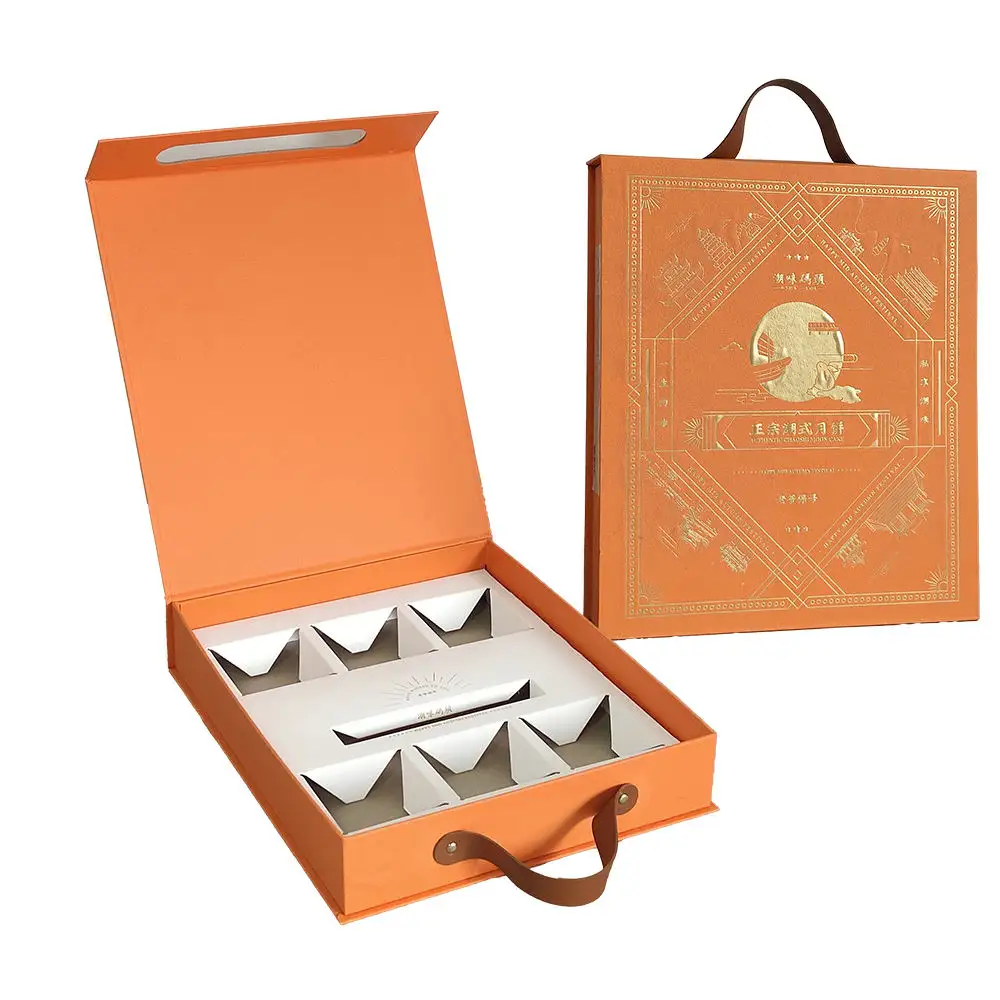
Tarnishing is one of the most common and frustrating problems faced by jewelry owners, particularly those who invest in precious metals like silver, copper, and certain gold alloys. When your valuable accessories lose their luster and develop unsightly dark spots or discoloration, it's often due to chemical reactions with environmental factors like moisture, air, and sulfur compounds. A high-quality jewelry box serves as your first line of defense against these damaging elements, creating a controlled environment that preserves the beauty and value of your precious accessories for years to come.
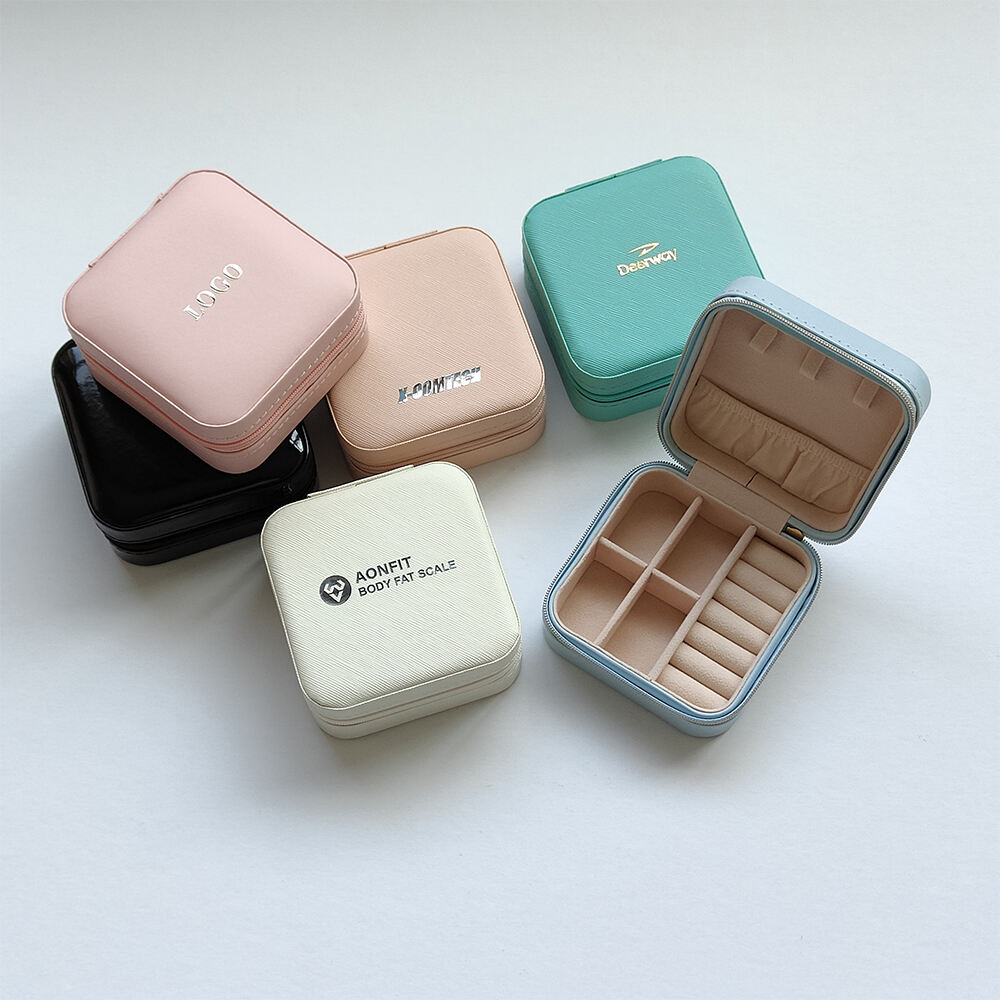
Understanding how tarnish forms and implementing proper storage solutions is crucial for anyone who wants to maintain their jewelry collection's appearance and monetary worth. The science behind tarnish prevention involves controlling exposure to oxidizing agents, managing humidity levels, and creating physical barriers between your jewelry and the surrounding environment. A properly designed high-quality jewelry box incorporates multiple protective features that work together to create an optimal storage environment, significantly extending the life and beauty of your precious accessories.
Understanding the Tarnishing Process and Environmental Threats
Chemical Reactions Behind Tarnish Formation
Tarnishing occurs when metals in your jewelry react with sulfur compounds, oxygen, and moisture present in the environment. Silver is particularly susceptible to tarnishing because it readily combines with hydrogen sulfide in the air to form silver sulfide, which appears as the characteristic black or dark gray coating. Even small amounts of sulfur compounds from sources like perfumes, lotions, cleaning products, and industrial pollution can accelerate this process. A high-quality jewelry box creates a barrier between your jewelry and these harmful environmental elements.
The rate of tarnishing depends on several factors including humidity levels, air circulation, temperature fluctuations, and the presence of catalytic materials. High humidity accelerates chemical reactions, while temperature changes can cause condensation that provides the moisture necessary for oxidation. Understanding these mechanisms helps explain why a high-quality jewelry box with proper sealing and climate control features is essential for long-term jewelry preservation.
Environmental Factors That Accelerate Tarnishing
Household environments contain numerous tarnish-promoting elements that many jewelry owners don't recognize. Rubber materials, certain papers, wool fabrics, and even some woods can release sulfur compounds that attack precious metals. Kitchen areas with cooking fumes, bathrooms with high humidity from showers, and areas near windows with temperature variations all present heightened risks for jewelry tarnishing. A high-quality jewelry box provides a stable, controlled microenvironment that shields your accessories from these daily environmental threats.
Industrial pollution, car exhaust, and even natural sources like volcanic activity can introduce sulfur compounds into indoor air. Coastal areas with salt air present additional challenges due to chloride exposure, while urban environments often have higher concentrations of pollutants. The cumulative effect of these environmental stressors makes proper storage in a high-quality jewelry box not just beneficial but essential for preserving your jewelry's condition and value over time.
Essential Features of Protective Jewelry Storage Systems
Air-Tight Sealing and Moisture Control
Effective moisture control is perhaps the most critical feature of a high-quality jewelry box designed for tarnish prevention. Proper sealing mechanisms prevent humid air from entering the storage compartment, while moisture-absorbing materials like silica gel packets or built-in desiccant chambers maintain optimal humidity levels. The ideal relative humidity for jewelry storage should be maintained between 45-55%, as levels above 60% significantly accelerate tarnishing reactions.
Advanced sealing systems in premium jewelry boxes often incorporate gasket seals, compression locks, and double-wall construction to create an effectively sealed environment. Some designs include built-in hygrometers to monitor humidity levels, allowing users to track storage conditions over time. A high-quality jewelry box with these features provides measurable protection against moisture-related damage, giving jewelry owners confidence in their storage solution's effectiveness.
Anti-Tarnish Materials and Fabric Linings
The materials used in constructing and lining a jewelry box play a crucial role in tarnish prevention. Anti-tarnish fabrics treated with silver or zinc compounds actively neutralize sulfur-containing gases before they can reach your jewelry. These specialized fabrics work by absorbing and chemically binding tarnish-causing agents, creating an additional protective barrier beyond simple physical separation. A high-quality jewelry box incorporates these advanced materials throughout its interior surfaces.
Traditional materials like untreated wood, certain adhesives, and synthetic fabrics can actually emit tarnish-promoting compounds over time. Professional-grade jewelry storage systems avoid these problematic materials and instead use acid-free components, metal-neutral adhesives, and chemically inert lining materials. The difference in long-term protection between a basic storage box and a high-quality jewelry box with proper material selection is often dramatic, particularly for silver and copper-containing pieces.
Individual Compartmentalization and Separation Strategies
Preventing Metal-to-Metal Contact
Direct contact between different metals can create galvanic reactions that accelerate tarnishing and corrosion. When dissimilar metals touch, they form an electrochemical cell that promotes electron transfer and oxidation reactions. A high-quality jewelry box addresses this issue through individual compartments, soft separators, and cushioned slots that keep each piece isolated from others. This separation is particularly important for mixed-metal jewelry collections where gold, silver, and other alloys might otherwise interact.
Beyond preventing galvanic reactions, physical separation also reduces mechanical wear from pieces rubbing against each other during storage or transport. Scratches and surface abrasions not only damage appearance but also create additional reactive surface area that can be more susceptible to tarnishing. Strategic compartmentalization in a high-quality jewelry box provides both chemical and physical protection, preserving both the surface finish and underlying metal integrity.
Optimizing Storage Layout for Different Jewelry Types
Different types of jewelry require specialized storage approaches based on their size, shape, and material composition. Chains need to be stored untangled and flat to prevent kinks and stress points, while rings benefit from individual slots that prevent scratching. Earrings require secure backing to prevent loss, and necklaces need adequate length to avoid crimping. A high-quality jewelry box incorporates specialized compartments designed for each jewelry type's unique storage requirements.
Proper organization also facilitates regular inspection and maintenance of your jewelry collection. When pieces are easily visible and accessible, owners are more likely to notice early signs of tarnishing or damage that can be addressed before becoming severe. The layout efficiency of a high-quality jewelry box encourages better jewelry care habits while providing the protection necessary to prevent tarnish formation in the first place.
Long-Term Protection and Maintenance Benefits
Preserving Jewelry Value and Appearance
The financial benefits of proper jewelry storage extend far beyond preventing unsightly tarnish. Professional cleaning and restoration services for heavily tarnished jewelry can cost significant amounts, and some damage may be irreversible. Regular exposure to tarnish-promoting conditions can permanently alter surface textures, particularly on delicate vintage pieces or jewelry with intricate details. A high-quality jewelry box represents a cost-effective investment in preserving both the aesthetic and monetary value of your jewelry collection.
Insurance companies and appraisers often consider storage conditions when evaluating jewelry collections for coverage and valuation purposes. Properly maintained jewelry retains higher resale values and requires less frequent professional cleaning and maintenance. The protective environment provided by a high-quality jewelry box demonstrably extends the intervals between necessary professional services while maintaining the pristine condition that supports optimal insurance valuations and resale potential.
Reducing Maintenance and Professional Cleaning Costs
Professional jewelry cleaning and restoration services typically charge based on the severity of tarnishing and the time required for restoration. Heavily tarnished pieces may require multiple cleaning cycles, specialized chemicals, or even professional polishing that removes microscopic amounts of precious metal. By preventing tarnish formation through proper storage in a high-quality jewelry box, owners can dramatically reduce the frequency and intensity of professional maintenance requirements.
The cumulative savings from reduced professional cleaning needs often exceed the initial investment in quality storage solutions within just a few years. Additionally, jewelry that's protected from tarnishing retains its original surface finish longer, avoiding the gradual wearing away of metal that occurs with repeated cleaning cycles. A high-quality jewelry box essentially pays for itself through reduced maintenance costs while providing superior protection compared to improvised storage solutions.
FAQ
How often should I check the condition of jewelry stored in a high-quality jewelry box?
You should inspect jewelry stored in a high-quality jewelry box every 3-4 months to ensure the storage environment remains optimal and to catch any early signs of tarnishing. Check moisture-absorbing materials quarterly and replace them as needed. Regular inspection also allows you to verify that seals remain intact and that individual pieces haven't shifted or come into contact with each other. This maintenance schedule helps ensure your high-quality jewelry box continues providing maximum protection.
Can a high-quality jewelry box completely prevent all forms of tarnishing?
While a high-quality jewelry box dramatically reduces tarnishing by controlling environmental factors, it cannot completely eliminate all possibility of tarnish formation over extremely long periods. However, proper storage can slow tarnishing by 90% or more compared to open-air storage, extending the time between cleaning cycles from months to years. The level of protection depends on the specific materials, sealing quality, and maintenance of the storage system.
What's the difference between a regular jewelry box and a high-quality anti-tarnish version?
A high-quality jewelry box designed for tarnish prevention incorporates specialized anti-tarnish fabrics, superior sealing mechanisms, moisture control systems, and chemically inert construction materials. Regular decorative jewelry boxes often use materials that can actually promote tarnishing and lack the sealing necessary for environmental control. The investment in a proper anti-tarnish jewelry box typically results in significantly better long-term protection and reduced maintenance costs.
How do I know if my jewelry box is providing adequate tarnish protection?
Monitor your jewelry for signs of tarnishing over time compared to pieces stored elsewhere. A properly functioning high-quality jewelry box should keep silver jewelry bright and untarnished for 12-18 months or longer under normal conditions. You can also use humidity indicators to verify that moisture levels remain in the optimal 45-55% range. If tarnishing occurs more rapidly than expected, check seals, replace desiccants, and ensure the box isn't located in an area with temperature fluctuations or high humidity.
Table of Contents
- Understanding the Tarnishing Process and Environmental Threats
- Essential Features of Protective Jewelry Storage Systems
- Individual Compartmentalization and Separation Strategies
- Long-Term Protection and Maintenance Benefits
-
FAQ
- How often should I check the condition of jewelry stored in a high-quality jewelry box?
- Can a high-quality jewelry box completely prevent all forms of tarnishing?
- What's the difference between a regular jewelry box and a high-quality anti-tarnish version?
- How do I know if my jewelry box is providing adequate tarnish protection?