
 EN
EN
 AR
AR
 HR
HR
 CS
CS
 DA
DA
 NL
NL
 FI
FI
 FR
FR
 DE
DE
 EL
EL
 HI
HI
 IT
IT
 JA
JA
 KO
KO
 NO
NO
 PL
PL
 PT
PT
 RO
RO
 RU
RU
 ES
ES
 SV
SV
 TL
TL
 ID
ID
 LT
LT
 SL
SL
 VI
VI
 HU
HU
 MT
MT
 TH
TH
 TR
TR
 FA
FA
 AF
AF
 MS
MS
 GA
GA
 MK
MK
 AZ
AZ
 BN
BN
 LO
LO
 LA
LA
 MN
MN

Why Is a Wine Box Important for Protecting Bottles During Transit?
Understanding the Critical Role of Wine Packaging During Transportation
Wine enthusiasts and collectors understand that proper storage and transportation of their cherished bottles is paramount. A wine box serves as more than just a simple container - it's a sophisticated protective solution designed specifically for preserving the integrity and quality of wine during transit. From temperature fluctuations to physical impacts, wine bottles face numerous challenges when being transported, making proper packaging essential for ensuring they reach their destination in perfect condition.
The significance of specialized wine packaging has grown substantially with the rise of direct-to-consumer wine shipping and international wine trade. Whether you're a commercial distributor, a winery owner, or a private collector, understanding the importance of a proper wine box can mean the difference between delivering pristine bottles and facing costly damages.
Essential Features of Professional Wine Packaging Solutions
Structural Protection Elements
Modern wine boxes incorporate multiple layers of protection to safeguard bottles during transportation. The outer layer typically consists of sturdy corrugated cardboard, specifically engineered to withstand compression and impact. Inside, molded pulp inserts or foam separators create individual compartments for each bottle, preventing contact between bottles and absorbing shock from any sudden movements.
Advanced wine box designs also feature reinforced corners and edges, areas particularly vulnerable during handling and stacking. These reinforcements help maintain the structural integrity of the package even when subjected to significant external pressures.
Temperature Management Components
Temperature control is crucial for wine preservation, and modern wine boxes often incorporate innovative materials to regulate internal temperatures. Specialized liners with thermal properties help insulate the bottles from extreme temperature variations that could compromise wine quality. Some premium wine boxes even feature phase-change materials that actively maintain optimal temperature ranges.
The thoughtful design of air circulation channels within the wine box helps prevent heat buildup while maintaining consistent temperatures throughout transit. This attention to thermal management is especially crucial for long-distance shipping or transportation through varying climate zones.
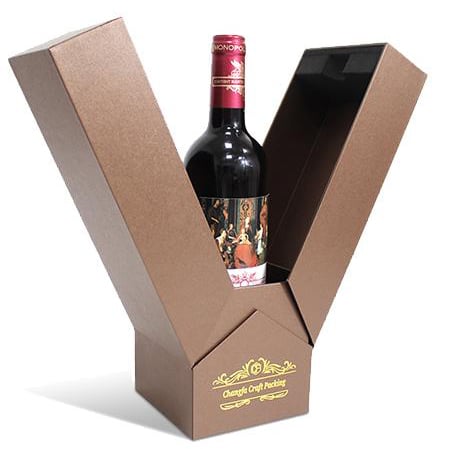
Impact of Transportation on Wine Quality
Physical Movement Considerations
During transportation, wine bottles are subjected to various physical forces that can affect both the wine and the bottle integrity. Vibrations from vehicles, sudden stops, and handling can disturb the wine's sediment and potentially accelerate chemical reactions that affect taste and aroma. A properly designed wine box minimizes these movements through strategic cushioning and secure bottle positioning.
The orientation of bottles within the wine box also plays a crucial role. Professional wine packaging typically maintains bottles in a horizontal position, keeping the cork moist and preventing it from drying out, which could lead to oxidation and spoilage.
Environmental Exposure Effects
Environmental factors can significantly impact wine quality during transit. Exposure to direct sunlight, extreme temperatures, and humidity variations can all compromise the wine's characteristics. Quality wine boxes provide necessary protection against these elements through specialized materials and design features that maintain a stable internal environment.
Moreover, proper wine packaging helps shield bottles from sudden temperature changes that can cause expansion and contraction of the wine, potentially pushing out corks or creating leaks. This protection is especially vital when shipping through different climate zones or during seasonal temperature extremes.
Economic Benefits of Proper Wine Packaging
Cost Savings Through Damage Prevention
Investing in high-quality wine boxes represents significant cost savings in the long run. The expense of replacing damaged wine bottles, handling customer complaints, and managing returns far exceeds the cost of proper packaging. Professional wine boxes dramatically reduce breakage rates and ensure that valuable vintages reach their destination in optimal condition.
Insurance costs for wine shipments can also be reduced when using approved packaging solutions that meet industry standards. Many carriers offer preferential rates for shipments using certified wine boxes, recognizing their effectiveness in preventing damage claims.
Brand Value and Customer Satisfaction
The quality of packaging directly influences customer perception and satisfaction. A well-designed wine box not only protects its contents but also communicates professionalism and attention to detail. This enhanced unboxing experience contributes to positive customer reviews and repeat business, ultimately strengthening brand loyalty.
Professional packaging also provides opportunities for brand differentiation through custom printing and design elements. Many wineries and retailers use their packaging as a marketing tool, incorporating brand stories and educational content that adds value to the customer experience.
Future Trends in Wine Packaging Solutions
Sustainable Materials and Designs
The wine industry is increasingly embracing sustainable packaging solutions. New generations of wine boxes utilize recyclable and biodegradable materials without compromising protection. Innovations in eco-friendly cushioning materials and recycled content are setting new standards for environmental responsibility in wine packaging.
Smart design approaches are reducing material usage while maintaining or improving protective properties. This includes lightweight yet durable materials and space-efficient designs that optimize shipping costs and environmental impact.
Technology Integration
Advanced technology is being incorporated into modern wine packaging solutions. Temperature monitoring sensors, impact indicators, and tracking devices are becoming common features in premium wine boxes. These innovations provide real-time data about shipping conditions and help ensure quality control throughout the transportation process.
Some manufacturers are exploring augmented reality features that allow customers to access detailed information about their wine through smartphone apps, adding an interactive dimension to the packaging experience.
Frequently Asked Questions
How long can wine safely remain in a shipping box?
Wine can typically remain safely packed in a professional wine box for up to two weeks, assuming proper temperature conditions are maintained. However, it's recommended to unpack and properly store wine as soon as possible after delivery to ensure optimal preservation.
What makes a wine box different from regular packaging?
Wine boxes are specially designed with multiple protective features including shock absorption, temperature regulation, and precise bottle positioning. Unlike standard boxes, they incorporate specific materials and structural elements to prevent bottle movement and maintain stable environmental conditions.
Can wine boxes be reused for shipping?
While wine boxes are durably constructed, it's generally recommended to use new packaging for each shipment to ensure maximum protection. The structural integrity and protective properties may be compromised after initial use, potentially risking damage to valuable wine bottles.