 EN
EN
 AR
AR
 HR
HR
 CS
CS
 DA
DA
 NL
NL
 FI
FI
 FR
FR
 DE
DE
 EL
EL
 HI
HI
 IT
IT
 JA
JA
 KO
KO
 NO
NO
 PL
PL
 PT
PT
 RO
RO
 RU
RU
 ES
ES
 SV
SV
 TL
TL
 ID
ID
 LT
LT
 SL
SL
 VI
VI
 HU
HU
 MT
MT
 TH
TH
 TR
TR
 FA
FA
 AF
AF
 MS
MS
 GA
GA
 MK
MK
 AZ
AZ
 BN
BN
 LO
LO
 LA
LA
 MN
MN

Why Are Flower Boxes Becoming a Popular Choice for Premium Gift Packaging?
Premium gift packaging has evolved significantly over the past decade, with businesses and consumers increasingly seeking unique, aesthetically pleasing solutions that convey luxury and thoughtfulness. Among the most notable trends in this space is the rising popularity of flower boxes as a sophisticated packaging choice for high-end gifts. These elegant containers have transcended their traditional floral industry roots to become versatile packaging solutions across multiple sectors, from cosmetics and jewelry to gourmet foods and corporate gifts.
The transformation of flower boxes from simple floral containers to premium packaging solutions reflects broader consumer preferences for sustainable, reusable, and visually striking packaging options. Modern flower packaging has adapted to meet diverse market needs while maintaining the romantic and luxurious associations that make these containers so appealing. This shift represents more than just a packaging trend; it signifies a fundamental change in how brands approach customer experience and product presentation.
The Evolution of Flower Boxes in Modern Packaging
Historical Origins and Traditional Uses
Flower boxes originally emerged from the necessity to transport and present fresh flowers in an organized, protective manner. Traditional florists developed these containers to maintain flower freshness during delivery while creating an impressive presentation for recipients. The early designs focused primarily on functionality, featuring simple cardboard or wooden construction with basic ventilation systems to preserve floral arrangements.
As consumer expectations evolved, florists began incorporating decorative elements into their flower box designs. This evolution marked the beginning of flower boxes becoming statement pieces in their own right. The addition of ribbon handles, embossed patterns, and premium materials transformed these containers from purely functional items into desirable packaging that customers often repurposed for storage or decoration.
Contemporary Design Innovations
Modern flower packaging has embraced cutting-edge design principles, incorporating elements such as magnetic closures, custom printing capabilities, and innovative structural engineering. Contemporary manufacturers now produce flower boxes using advanced materials that provide superior durability while maintaining the elegant aesthetic that makes these containers so appealing. These innovations have expanded the potential applications far beyond floral arrangements.
The integration of sustainable materials and eco-friendly production processes has further enhanced the appeal of modern flower packaging solutions. Brands are increasingly attracted to flower boxes made from recycled cardboard, biodegradable coatings, and water-based inks, aligning their packaging choices with environmental responsibility initiatives while maintaining luxury presentation standards.
Market Drivers Behind the Flower Box Trend
Consumer Psychology and Emotional Connection
The psychological impact of flower boxes on consumer perception cannot be understated. These containers evoke immediate associations with romance, celebration, and special occasions, creating an emotional connection that enhances the perceived value of the enclosed product. Research indicates that consumers associate floral-inspired packaging with premium quality and thoughtful consideration, making flower boxes particularly effective for luxury brands seeking to enhance their product presentation.
The unboxing experience facilitated by well-designed flower packaging creates memorable moments that consumers often share on social media platforms. This organic marketing benefit has driven many brands to adopt flower box designs specifically for their photogenic qualities and viral potential. The visual appeal of these containers generates authentic user-generated content that extends brand reach and engagement.
Versatility Across Industries
One of the most compelling aspects of flower boxes is their remarkable versatility across diverse product categories. Cosmetics companies utilize these containers for luxury skincare sets, jewelry retailers present engagement rings in custom flower packaging, and gourmet food brands package artisanal chocolates in elegant floral-inspired boxes. This cross-industry adoption demonstrates the universal appeal and practical benefits of flower box designs.
Corporate gifting has emerged as a significant market segment for flower boxes, with businesses recognizing their effectiveness in conveying professionalism while maintaining a personal touch. The sophisticated appearance of these containers makes them suitable for executive gifts, client appreciation packages, and employee recognition programs, providing a memorable packaging solution that reflects positively on the giving organization.
Design Elements That Drive Popularity
Aesthetic Appeal and Visual Impact
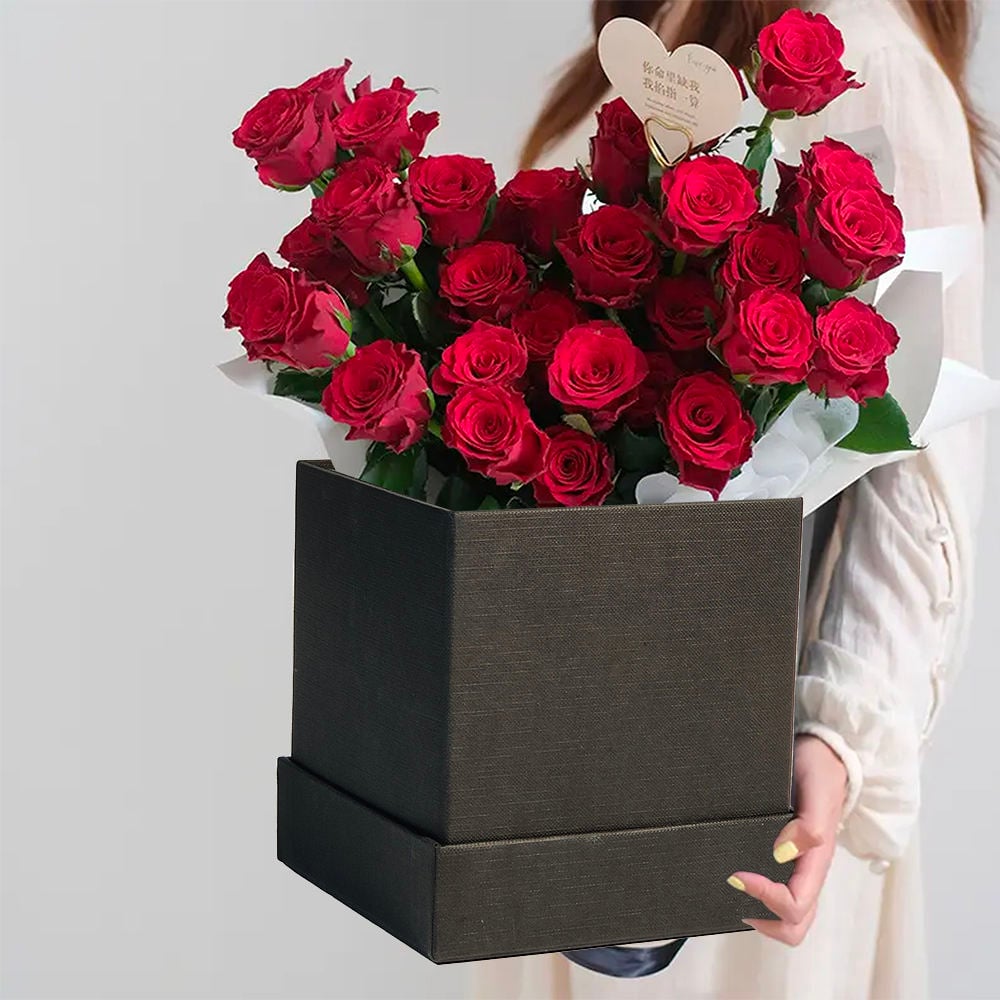
The visual characteristics that make flower boxes so appealing stem from carefully considered design elements that balance elegance with functionality. Premium flower packaging typically features clean lines, sophisticated color palettes, and subtle textural elements that create visual interest without overwhelming the overall design. The proportions of these containers are specifically engineered to create pleasing geometric relationships that appeal to human aesthetic preferences.
Surface treatments and finishing techniques play crucial roles in establishing the premium feel associated with high-quality flower packaging. Techniques such as soft-touch coatings, spot UV applications, and metallic foiling add tactile and visual dimensions that enhance the perceived value of both the packaging and its contents. These finishing options allow brands to customize their flower boxes to align with specific brand aesthetics while maintaining the inherent elegance of the format.
Functional Benefits and Practical Considerations
Beyond their aesthetic appeal, modern flower boxes incorporate numerous functional benefits that contribute to their growing popularity in premium packaging applications. The structural integrity of well-designed flower packaging provides excellent protection for delicate items, with internal cushioning systems and secure closure mechanisms ensuring that contents remain safe during shipping and handling.
The reusability factor of flower boxes adds significant value for both brands and consumers. These containers are designed to be kept and repurposed, extending brand exposure long after the initial purchase while providing practical storage solutions for consumers. This extended lifecycle contributes to the sustainability profile of flower packaging while creating ongoing brand touchpoints that reinforce customer relationships.
Sustainability and Environmental Considerations
Eco-Friendly Materials and Production
Environmental consciousness has become a driving factor in packaging decisions, and flower boxes have adapted to meet these concerns through sustainable material selection and production processes. Modern flower packaging utilizes recycled paperboard, biodegradable adhesives, and vegetable-based inks to minimize environmental impact while maintaining the quality and appearance standards expected in premium packaging applications.
The manufacturing processes for contemporary flower boxes have been optimized to reduce waste and energy consumption. Advanced die-cutting techniques minimize material waste, while efficient production workflows reduce the carbon footprint associated with manufacturing. These environmental improvements align with corporate sustainability goals while supporting the growing consumer demand for environmentally responsible packaging solutions.
Circular Economy Integration
The inherent reusability of flower boxes supports circular economy principles by extending product lifecycles and reducing waste generation. Consumers regularly repurpose these containers for home organization, gift-giving, and decorative storage, effectively removing them from the waste stream for extended periods. This reuse pattern amplifies the environmental benefits of choosing flower packaging over single-use alternatives.
End-of-life considerations for flower boxes focus on ensuring complete recyclability when containers eventually reach disposal. Modern designs avoid mixed materials and non-recyclable components, enabling straightforward processing through standard recycling systems. This attention to the complete lifecycle of flower packaging demonstrates the commitment to environmental stewardship that appeals to environmentally conscious consumers and businesses.
Industry Applications and Market Segments
Luxury Retail and Premium Products
The luxury retail sector has embraced flower boxes as a means of elevating product presentation and enhancing the customer experience. High-end fashion accessories, premium skincare products, and artisanal goods benefit from the sophisticated presentation that flower packaging provides. The association with luxury and exclusivity makes these containers particularly effective for products positioned at premium price points.
Seasonal and limited-edition products find particular success with flower box packaging, as the special occasion associations enhance the perceived exclusivity of these offerings. Brands leverage the gift-ready nature of flower packaging to encourage impulse purchases and simplify the customer journey for gift-giving occasions. This convenience factor contributes significantly to sales conversion and customer satisfaction.
E-commerce and Direct-to-Consumer Brands
E-commerce businesses have discovered that flower boxes provide exceptional unboxing experiences that generate positive customer reviews and social media engagement. The photogenic nature of these containers encourages customers to share their purchase experiences online, creating valuable user-generated content that supports marketing efforts. This organic promotion amplifies the return on investment for premium packaging decisions.
Direct-to-consumer brands utilize flower boxes to differentiate their products in crowded marketplaces and create memorable brand experiences. The premium presentation helps justify higher price points while building brand loyalty through positive emotional associations. This strategy proves particularly effective for subscription services and recurring purchase models where customer retention depends on consistently exceeding expectations.
Manufacturing and Customization Capabilities
Advanced Production Technologies
Modern manufacturing capabilities have revolutionized the production of flower boxes, enabling cost-effective customization and rapid turnaround times that support diverse business needs. Digital printing technologies allow for small-batch custom designs while maintaining the quality standards required for premium packaging applications. These technological advances have made flower packaging accessible to smaller brands while providing enterprise-level customization options.
Automated assembly systems ensure consistent quality and efficient production volumes that meet commercial demand. These manufacturing innovations support the scalability required for flower boxes to serve as viable packaging solutions across different market segments. The combination of advanced technology and skilled craftsmanship produces containers that meet both aesthetic and functional requirements.
Customization Options and Brand Integration
The customization possibilities for flower boxes extend far beyond simple logo placement, encompassing structural modifications, material selections, and finishing techniques that create truly unique packaging solutions. Brands can specify custom dimensions, closure mechanisms, and internal configurations that optimize the presentation and protection of specific products. This flexibility enables flower packaging to serve diverse product categories while maintaining design consistency.
Brand integration capabilities include sophisticated printing techniques that reproduce complex graphics, photography, and special effects with exceptional fidelity. These visual customization options enable brands to maintain consistent visual identity across all touchpoints while leveraging the inherent appeal of flower box designs. The result is packaging that functions as both protective container and marketing communication tool.
Future Trends and Market Outlook
Emerging Technologies and Innovations
The future development of flower boxes will likely incorporate smart packaging technologies such as NFC chips, QR codes, and augmented reality features that enhance customer engagement and provide additional value beyond traditional packaging functions. These technological integrations will create new opportunities for brands to connect with customers and gather valuable usage data while maintaining the elegant simplicity that makes flower packaging so appealing.
Sustainable material innovations continue to drive improvements in flower box design and functionality. Emerging bio-based materials and advanced recycling technologies promise to further reduce the environmental impact of flower packaging while maintaining or improving performance characteristics. These developments align with growing environmental awareness and regulatory requirements that favor sustainable packaging solutions.
Market Growth Projections
Industry analysis indicates continued growth in the premium packaging segment, with flower boxes positioned to capture an increasing share of this expanding market. The convergence of e-commerce growth, sustainability concerns, and consumer preference for experiential purchasing creates favorable conditions for flower packaging adoption across numerous industries. This growth trajectory suggests that flower boxes will continue evolving to meet emerging market needs while maintaining their core appeal.
International market expansion presents significant opportunities for flower box manufacturers and users, as global consumers demonstrate increasing appreciation for premium packaging experiences. Cross-cultural appeal and adaptability to local preferences position flower packaging as a versatile solution for brands seeking to establish international presence while maintaining consistent quality standards across diverse markets.
FAQ
What makes flower boxes suitable for non-floral products?
Flower boxes work excellently for non-floral products because their elegant design, sturdy construction, and premium appearance enhance perceived value across various product categories. The psychological associations with gift-giving and special occasions make these containers particularly effective for luxury goods, cosmetics, jewelry, and gourmet foods. Their reusable nature and photogenic qualities also support brand marketing objectives while providing practical storage solutions for consumers.
How do flower boxes compare to traditional gift boxes in terms of cost?
While flower boxes may have slightly higher upfront costs compared to basic gift boxes, they provide superior value through enhanced customer experience, social media visibility, and extended brand exposure through reuse. The premium presentation justifies higher product pricing and often increases customer satisfaction and loyalty. When considering the total impact on brand perception and customer retention, flower boxes frequently deliver better return on investment than standard packaging alternatives.
Are flower boxes environmentally friendly compared to other packaging options?
Modern flower boxes are designed with sustainability in mind, utilizing recycled materials, biodegradable components, and eco-friendly production processes. Their reusable design extends product lifecycle significantly, often keeping containers out of waste streams for months or years. When properly designed, flower boxes are fully recyclable at end-of-life and support circular economy principles through extended use patterns and material recovery systems.
What customization options are available for flower box packaging?
Customization options for flower boxes include structural modifications like size, shape, and closure mechanisms, visual elements such as custom printing, embossing, and special finishes, and functional features like internal dividers and protective inserts. Brands can specify materials, colors, textures, and finishing techniques to create unique packaging solutions that align with their specific requirements while maintaining the inherent elegance of flower box designs.