
 EN
EN
 AR
AR
 HR
HR
 CS
CS
 DA
DA
 NL
NL
 FI
FI
 FR
FR
 DE
DE
 EL
EL
 HI
HI
 IT
IT
 JA
JA
 KO
KO
 NO
NO
 PL
PL
 PT
PT
 RO
RO
 RU
RU
 ES
ES
 SV
SV
 TL
TL
 ID
ID
 LT
LT
 SL
SL
 VI
VI
 HU
HU
 MT
MT
 TH
TH
 TR
TR
 FA
FA
 AF
AF
 MS
MS
 GA
GA
 MK
MK
 AZ
AZ
 BN
BN
 LO
LO
 LA
LA
 MN
MN

What Factors Should You Consider When Choosing the Perfect Jewelry Box for Your Collection?
Selecting the right jewelry box is a crucial decision that extends far beyond mere storage functionality. Whether you're organizing a modest collection of everyday pieces or an extensive array of valuable heirlooms, the perfect jewelry box serves as both protector and presenter of your treasured accessories. The modern market offers an overwhelming variety of options, from traditional wooden chests to contemporary minimalist designs, making the selection process both exciting and challenging. Understanding the key factors that influence this choice will ensure your investment provides years of reliable service while maintaining the beauty and value of your collection.
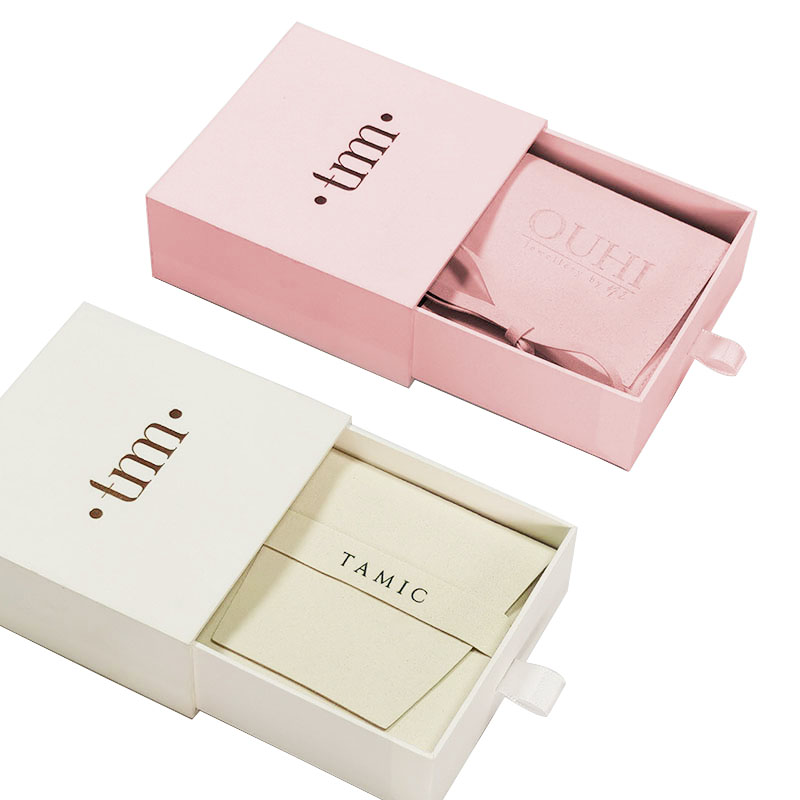
Size and Capacity Considerations
Assessing Your Current Collection
The foundation of choosing an appropriate jewelry box lies in accurately evaluating your current collection's scope and future growth potential. Begin by conducting a thorough inventory of all your pieces, categorizing them by type, frequency of use, and storage requirements. Rings, earrings, necklaces, bracelets, and watches each demand different spatial configurations and protective measures. A comprehensive jewelry box should accommodate not only your existing pieces but also allow for reasonable expansion as your collection grows over time.
Consider the varying sizes within each category of your jewelry collection. Chunky statement necklaces require significantly more space than delicate chains, while oversized cocktail rings need deeper compartments than simple bands. Professional jewelry organizers recommend planning for approximately 25-30% additional capacity beyond your current needs to accommodate future acquisitions and seasonal rotation of pieces.
Planning for Future Growth
A well-chosen jewelry box represents a long-term investment that should serve your needs for many years. Anticipate how your collection might evolve, considering life changes such as career advancement, special occasions, or inherited pieces that may join your collection. Many jewelry enthusiasts underestimate their future storage needs, leading to overcrowded compartments that can cause damage through tangling or scratching.
Modular jewelry box systems offer excellent flexibility for growing collections. These designs allow you to add additional layers or compartments as needed, ensuring your storage solution evolves alongside your collection. When evaluating size requirements, also consider the physical space where the jewelry box will reside, ensuring it fits comfortably within your designated area while allowing easy access to all compartments.
Material Quality and Construction
Traditional Wood Construction
Wooden jewelry boxes represent the classic choice, offering timeless elegance and proven durability. High-quality hardwoods such as cherry, mahogany, walnut, and oak provide excellent structural integrity and natural beauty that improves with age. The construction quality significantly impacts both longevity and functionality, with solid wood construction generally superior to veneer or composite materials. Examine joinery techniques, looking for dovetail joints, mortise and tenon connections, or other traditional woodworking methods that indicate superior craftsmanship.
The finish quality of a wooden jewelry box affects both appearance and protection. Premium finishes should feel smooth to the touch and show consistent color and grain patterns. Multiple coats of lacquer or polyurethane provide excellent protection against moisture and everyday wear, while maintaining the wood's natural beauty. Consider how the exterior finish will complement your existing décor and whether it requires specific maintenance to preserve its appearance over time.
Modern Alternative Materials
Contemporary jewelry box designs incorporate various innovative materials that offer unique advantages. High-quality synthetic materials such as engineered composites and premium plastics provide excellent durability while often being more affordable than traditional wood options. These materials resist moisture, temperature fluctuations, and physical damage while offering consistent color and texture that won't fade or change over time.
Leather and fabric-covered options provide soft, luxurious surfaces that are particularly gentle on delicate jewelry pieces. These materials often feature antimicrobial treatments and stain-resistant coatings that enhance their longevity and ease of maintenance. Metal construction, particularly aluminum or stainless steel, offers exceptional security and modern aesthetic appeal, though these materials may require additional protective padding to prevent jewelry damage.
Interior Design and Organization Features
Compartment Configuration
The internal layout of a jewelry box directly impacts its functionality and your daily interaction with your collection. Effective compartmentalization prevents jewelry pieces from tangling, scratching, or becoming damaged through contact with other items. Ring rolls, earring cards, and necklace hooks should be positioned logically to facilitate easy access and quick identification of desired pieces. The depth and width of each compartment must correspond to the jewelry types you plan to store, with adequate clearance to prevent forcing pieces into inadequate spaces.
Adjustable dividers and removable inserts offer maximum flexibility in organizing your collection according to your personal preferences and changing needs. These features allow you to customize the interior layout as your collection evolves or when you acquire pieces that don't fit standard compartment sizes. Quality jewelry boxes incorporate multiple organizational levels, with shallow compartments for rings and earrings, medium depths for bracelets, and deeper sections for necklaces and larger statement pieces.
Protective Interior Materials
The interior lining materials of a jewelry box play a crucial role in protecting your valuable pieces from scratches, tarnishing, and other forms of damage. Velvet remains the gold standard for jewelry box interiors due to its soft texture and natural anti-tarnish properties. High-quality velvet should feel plush and consistent, without thin spots or rough areas that could snag delicate chains or damage surface finishes.
Silk and satin alternatives offer similar protective qualities while providing different aesthetic options and maintenance characteristics. Some modern jewelry boxes incorporate specialized synthetic fabrics treated with anti-tarnish compounds that actively prevent oxidation of silver and other reactive metals. The color of interior materials should be chosen carefully, as darker colors better hide dust and wear while lighter colors make it easier to locate small items but may show stains more readily.
Security and Safety Features
Locking Mechanisms
Security considerations become paramount when storing valuable jewelry pieces, making the locking mechanism an essential feature to evaluate. Traditional key locks offer reliable security and classic appeal, though the risk of losing keys must be considered. Modern combination locks eliminate key management concerns while providing excellent security, particularly when featuring multiple digits or complex mechanisms that resist unauthorized access attempts.
Electronic locks represent the newest advancement in jewelry box security, offering features such as fingerprint recognition, digital keypads, and even smartphone connectivity. These systems provide convenience and advanced security but require power sources and may need periodic maintenance or battery replacement. Consider the trade-offs between security level, convenience, and reliability when selecting a locking mechanism that matches your specific needs and comfort level with technology.
Protection from Environmental Factors
A quality jewelry box serves as the first line of defense against environmental factors that can damage or degrade your jewelry collection. Humidity control becomes particularly important for pieces containing organic materials such as pearls, or metals prone to tarnishing like silver. Some premium jewelry boxes incorporate humidity control systems or desiccant chambers that maintain optimal moisture levels to prevent corrosion and deterioration.
Temperature stability and protection from direct sunlight help preserve the color and integrity of gemstones, preventing fading or thermal stress that can cause cracking in certain materials. The jewelry box construction should provide adequate insulation from temperature fluctuations while ensuring proper ventilation to prevent condensation buildup. Consider placement location carefully, avoiding areas near heating vents, windows, or other sources of environmental stress.
Aesthetic Appeal and Style Coordination
Matching Your Personal Style
The visual appeal of your jewelry box contributes significantly to your daily enjoyment and the overall aesthetic of your living space. Traditional designs featuring ornate carvings and classical proportions complement formal décor styles and create a sense of timeless elegance. Contemporary minimalist designs with clean lines and simple forms work well in modern environments while focusing attention on the jewelry itself rather than the storage container.
Color coordination with existing furniture and décor helps integrate the jewelry box seamlessly into your space. Natural wood tones offer versatility and warmth that complement most color schemes, while painted or stained finishes allow for more specific color matching. Consider whether you prefer the jewelry box to serve as a decorative accent piece or blend discretely into the background, as this preference will guide your selection of size, color, and styling details.
Display and Presentation Features
Many modern jewelry boxes incorporate display elements that allow you to showcase favorite pieces while keeping them secure and organized. Mirror integration serves both functional and aesthetic purposes, providing convenient access for trying on jewelry while creating visual depth and interest. LED lighting systems illuminate the interior contents, making it easier to select pieces while creating an attractive presentation that highlights the beauty of your collection.
Glass or acrylic display areas allow you to exhibit special pieces while maintaining protection from dust and handling. These features transform your jewelry box from purely functional storage into an attractive display case that celebrates your collection. Consider how often you entertain guests or show your jewelry to others, as this may influence the importance of presentation features in your selection criteria.
Budget Considerations and Value Assessment
Initial Investment vs Long-term Value
Establishing a realistic budget for your jewelry box purchase requires balancing immediate affordability with long-term value and functionality. Higher-quality construction and materials typically command premium prices but provide superior durability, better protection for your jewelry, and greater satisfaction over many years of use. Consider the total value of the jewelry collection the box will protect, as investing in adequate protection for valuable pieces represents sound financial planning.
Budget-friendly options can provide excellent functionality when selected carefully, particularly for modest collections or temporary storage needs. Focus on essential features such as adequate compartmentalization, quality interior materials, and solid construction rather than premium finishes or luxury features that may not impact daily functionality. Remember that a jewelry box represents a long-term purchase that should serve your needs for many years, making quality and durability important factors even within budget constraints.
Maintenance and Operating Costs
Beyond the initial purchase price, consider ongoing maintenance requirements and associated costs that may influence your total investment. Wooden jewelry boxes may require periodic refinishing or conditioning to maintain their appearance and protective qualities. Electronic locking systems need battery replacement and may require technical support or repairs over their lifetime.
Some specialty materials or finishes require specific cleaning products or professional maintenance to preserve their appearance and functionality. Factor these ongoing costs into your decision-making process, particularly when comparing options with significantly different maintenance requirements. Simple, well-constructed designs often provide the best long-term value through minimal maintenance needs and proven reliability.
FAQ
How do I determine the right size jewelry box for my collection
To determine the appropriate size, inventory your current jewelry pieces by category and measure their dimensions. Count rings, earring pairs, necklaces, bracelets, and any specialty items, then add 25-30% additional capacity for future growth. Consider both the physical dimensions of pieces and their storage requirements - for example, long necklaces need adequate length to hang without tangling, while chunky bracelets require deeper compartments than delicate chains.
What interior materials provide the best protection for different types of jewelry
Velvet remains the premium choice for jewelry box interiors due to its soft texture and natural anti-tarnish properties, particularly for silver pieces. For gold and platinum jewelry, silk or satin linings work excellently while providing easy cleaning. Modern synthetic fabrics treated with anti-tarnish compounds offer enhanced protection for reactive metals, while specialized compartments lined with acid-free materials protect vintage or antique pieces from chemical degradation.
Are electronic locks worth the additional cost for jewelry box security
Electronic locks provide superior convenience and security features such as multiple user codes, tamper alerts, and smartphone connectivity. They're particularly valuable for high-value collections or shared households where key management becomes problematic. However, they require power sources and may need technical maintenance. Traditional mechanical locks offer reliable, maintenance-free security that many users prefer for their simplicity and proven reliability.
How important is humidity control in jewelry box selection
Humidity control becomes crucial for collections containing pearls, organic materials, or metals prone to tarnishing like silver. Excessive humidity can cause corrosion, while extremely dry conditions may damage organic materials. Premium jewelry boxes often include humidity regulation systems or accommodate aftermarket humidity control devices. For most collections in climate-controlled homes, quality construction with proper ventilation provides adequate environmental protection without specialized humidity systems.