
 EN
EN
 AR
AR
 HR
HR
 CS
CS
 DA
DA
 NL
NL
 FI
FI
 FR
FR
 DE
DE
 EL
EL
 HI
HI
 IT
IT
 JA
JA
 KO
KO
 NO
NO
 PL
PL
 PT
PT
 RO
RO
 RU
RU
 ES
ES
 SV
SV
 TL
TL
 ID
ID
 LT
LT
 SL
SL
 VI
VI
 HU
HU
 MT
MT
 TH
TH
 TR
TR
 FA
FA
 AF
AF
 MS
MS
 GA
GA
 MK
MK
 AZ
AZ
 BN
BN
 LO
LO
 LA
LA
 MN
MN

How to choose a candle box that preserves fragrance and prevents melting?
Selecting the right candle box is crucial for maintaining the quality and appeal of your candle products. A well-designed candle box serves as more than just packaging—it acts as a protective barrier that preserves the candle's fragrance integrity while preventing heat-induced melting during storage and transport. Understanding the key factors that influence candle box performance will help you make an informed decision that protects your product investment and enhances customer satisfaction.
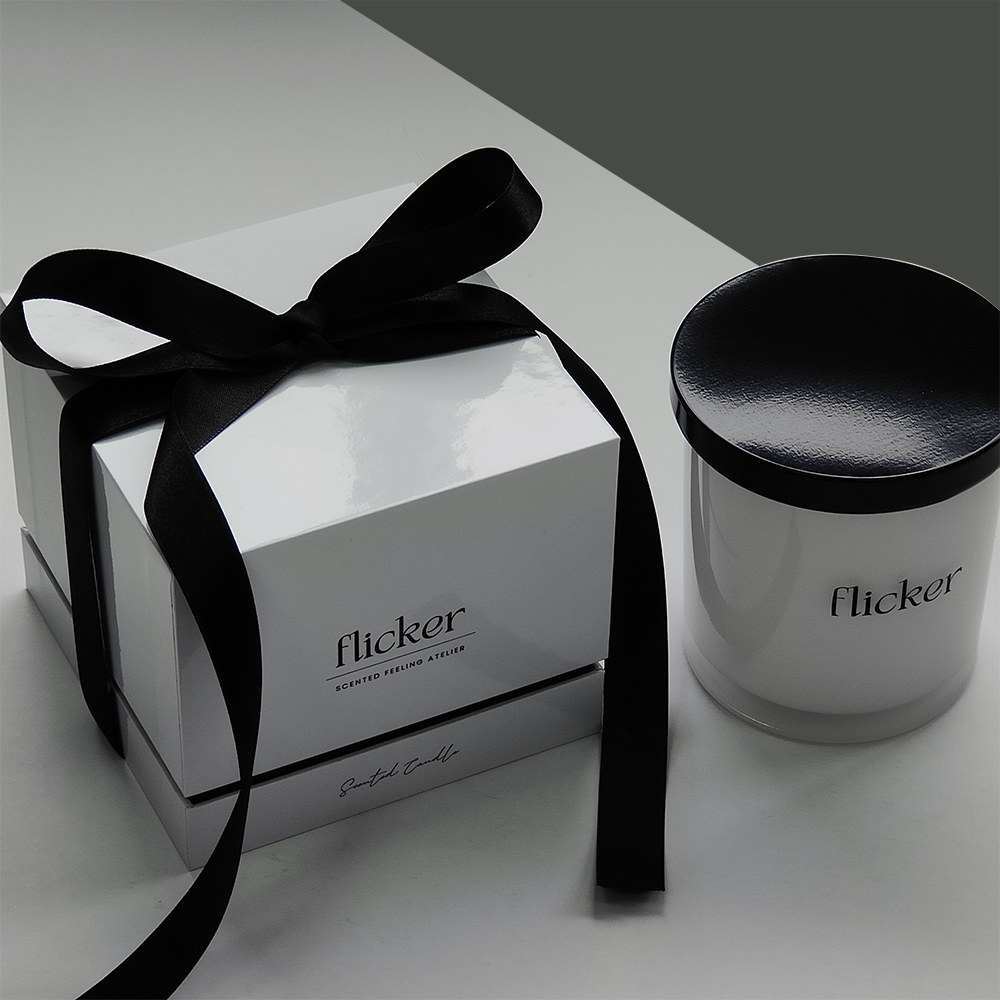
The challenge of choosing an effective candle box becomes even more complex when considering the diverse range of candle types, seasonal temperature variations, and distribution requirements. Whether you're packaging soy candles, paraffin candles, or specialty wax blends, each formulation presents unique preservation needs that your candle box must address. The wrong packaging choice can result in fragrance loss, structural damage, or complete product failure before reaching the end consumer.
Material Selection for Optimal Candle Protection
Understanding Heat-Resistant Properties
The foundation of an effective candle box lies in selecting materials that provide adequate thermal insulation. Cardboard thickness plays a critical role in temperature regulation, with heavier weight materials offering superior protection against external heat sources. A quality candle box should utilize at least 300-350 GSM cardboard to create sufficient thermal barriers that prevent ambient heat from reaching the candle surface.
Corrugated cardboard structures provide enhanced insulation compared to single-wall options, creating air pockets that serve as natural temperature buffers. The flute design within corrugated materials significantly impacts thermal performance, with larger flutes offering better insulation properties. When evaluating candle box options, consider how the material construction will perform in various climate conditions your products may encounter during distribution.
Surface coatings and laminations can further enhance the protective capabilities of your candle box. UV-resistant coatings help prevent heat absorption from direct sunlight exposure, while moisture-resistant treatments protect against humidity-related softening that could compromise structural integrity. These protective layers work together to create a comprehensive barrier system that maintains optimal conditions for candle preservation.
Fragrance Retention Through Material Choice
Fragrance preservation requires materials that minimize scent permeability while preventing external odors from contaminating your candles. Uncoated cardboard tends to absorb and transfer fragrances, which can lead to scent degradation over time. A properly designed candle box should incorporate barrier materials or coatings that create a sealed environment for fragrance retention.
Food-grade materials often provide excellent fragrance preservation properties, as they are designed to prevent flavor and aroma transfer. When selecting a candle box, prioritize suppliers who use certified materials that have been tested for odor neutrality and fragrance compatibility. The internal surface of the candle box should not introduce competing scents that could alter your product's intended fragrance profile.
Consider the interaction between your specific fragrance oils and packaging materials during extended storage periods. Some essential oils and synthetic fragrances can react with certain cardboard treatments, potentially causing discoloration or chemical degradation. Testing compatibility between your candle formulations and proposed candle box materials ensures long-term fragrance stability.
Design Features That Enhance Protection
Ventilation and Airflow Control
Proper ventilation design in your candle box prevents moisture accumulation while maintaining controlled airflow that supports fragrance preservation. Excessive humidity within the packaging can cause wick deterioration and surface condensation that affects candle appearance and performance. Strategic ventilation points allow moisture regulation without compromising thermal insulation properties.
Micro-perforations or controlled ventilation areas should be positioned to promote gentle air circulation without creating direct pathways for fragrance escape. The balance between airflow and containment requires careful consideration of your specific candle formulation and expected storage conditions. A well-designed candle box incorporates ventilation features that work harmoniously with other protective elements.
Seasonal considerations influence ventilation requirements, as temperature fluctuations can create pressure differentials that affect internal candle box conditions. Summer storage may require enhanced ventilation to prevent overheating, while winter conditions might necessitate reduced airflow to maintain warmth. Adjustable or climate-responsive ventilation features provide optimal protection across varying environmental conditions.
Structural Support and Cushioning Systems
Internal cushioning systems within your candle box prevent movement-related damage while providing additional thermal insulation. Foam inserts, molded pulp, or custom-fitted compartments create secure positioning that eliminates shifting during transport. The cushioning material should complement the overall thermal protection strategy while supporting fragrance preservation goals.
Multi-level protection systems combine structural support with thermal barriers to create comprehensive candle protection. Inner sleeves or wrapping materials provide direct contact protection, while outer candle box walls handle environmental challenges. This layered approach ensures that various threat factors are addressed through specialized protective elements.
Consider how cushioning materials interact with candle surfaces, particularly for products with decorative finishes or delicate textures. Some foam materials can leave residues or create surface impressions that affect candle appearance. Non-reactive cushioning options maintain product integrity while providing necessary protection against physical damage.
Size and Configuration Optimization
Dimensional Accuracy for Maximum Protection
Precise dimensional matching between your candles and the candle box interior creates optimal protection conditions while minimizing wasted space that could allow movement-related damage. Excessive clearance permits shifting that can cause surface damage, while insufficient space creates pressure points that may deform the candle structure. Accurate measurements ensure that protective features function as intended.
Height considerations become particularly important for preventing melting, as tall candles may experience temperature stratification within improperly sized packaging. The candle box should provide adequate clearance above the candle surface while maintaining thermal protection. This vertical space also accommodates any expansion that may occur due to temperature fluctuations during storage.
Custom sizing options allow precise matching between candle dimensions and packaging specifications, creating optimal protection conditions for your specific product line. Standard candle box sizes may not provide ideal protection for unique candle shapes or multiple-item configurations. Investing in properly sized packaging often results in better protection outcomes and reduced damage rates.
Multi-Candle Configuration Strategies
When packaging multiple candles within a single candle box, separation systems prevent inter-candle contact that could cause fragrance transfer or surface damage. Individual compartments or divider systems maintain proper spacing while providing shared thermal protection. The configuration should consider both protection requirements and efficient space utilization.
Fragrance isolation becomes critical in multi-candle packaging, as different scent profiles can create unwanted blending or competition. Barrier materials between compartments ensure that each candle maintains its intended fragrance character throughout storage and transport. This isolation also prevents stronger scents from overpowering more subtle fragrances within the same package.
Weight distribution considerations affect both protection and shipping efficiency when designing multi-candle configurations. Balanced loading prevents shifting during transport while optimizing space utilization within the candle box. The structural design should accommodate the combined weight while maintaining individual candle protection standards.
Environmental and Storage Considerations
Temperature Fluctuation Management
Seasonal temperature variations present significant challenges for candle storage, requiring candle box designs that accommodate thermal expansion and contraction cycles. Summer heat can soften candle surfaces and compromise fragrance stability, while winter cold may cause brittleness or cracking. Your packaging solution must provide consistent protection across these environmental extremes.
Thermal mass considerations influence how quickly temperature changes affect candles within the packaging. Heavier candle box materials and additional insulation layers create thermal buffers that slow temperature transfer rates. This gradual temperature adjustment helps prevent shock-related damage that can occur with rapid environmental changes.
Geographic distribution factors require understanding regional climate patterns and their impact on candle preservation. Desert climates present extreme heat challenges, while humid coastal areas create moisture-related concerns. The candle box design should account for the specific environmental conditions your products will encounter during their distribution journey.
Long-Term Storage Performance
Extended storage periods test the durability of both candle box materials and protection systems. Cardboard degradation, adhesive failure, and structural weakening can compromise protection effectiveness over time. Quality materials and construction methods ensure that protection levels remain consistent throughout expected storage durations.
Fragrance stability during long-term storage depends on the candle box's ability to maintain consistent internal conditions. Scent fade, note separation, or off-odor development can occur when packaging fails to provide adequate protection. Testing storage performance under realistic timeline conditions helps validate packaging effectiveness for your specific products.
Inventory rotation considerations affect how long candles remain in their original candle box packaging before reaching consumers. First-in-first-out inventory systems may require longer protection periods for some products, while rapid turnover situations may allow lighter packaging options. Aligning packaging protection capabilities with inventory management practices optimizes both cost and performance outcomes.
FAQ
What thickness of cardboard provides the best protection for candle packaging?
For optimal candle protection, use cardboard with a minimum thickness of 300-350 GSM (grams per square meter). This thickness provides adequate thermal insulation and structural integrity to prevent melting and maintain fragrance quality. Corrugated cardboard offers enhanced protection through its multi-layer construction, creating air pockets that serve as natural thermal barriers against external temperature fluctuations.
How can I prevent fragrance loss during storage in candle boxes?
Prevent fragrance loss by selecting candle box materials with low permeability and odor-neutral properties. Use food-grade cardboard or materials with barrier coatings that prevent scent migration. Ensure proper sealing of the package and avoid materials that absorb fragrances. Consider adding inner protective wrapping for highly volatile fragrance oils, and test material compatibility with your specific scent formulations before full-scale production.
What design features help prevent candles from melting in hot weather?
Effective anti-melting design features include reflective or UV-resistant surface coatings that reduce heat absorption, adequate ventilation to prevent heat buildup, and sufficient insulation thickness to slow thermal transfer. Use light-colored exteriors to minimize solar heat gain, and consider double-wall construction for enhanced thermal protection. Strategic ventilation placement allows controlled airflow without compromising structural integrity or fragrance retention.
How do I determine the right size candle box for my products?
Measure your candles precisely and add minimal clearance for protective materials—typically 3-5mm on each side for individual candles. Height should accommodate the candle plus any decorative elements with small clearance for thermal expansion. Avoid excessive interior space that allows movement during shipping, but ensure enough room for cushioning materials. For multiple candles, include divider thickness in your calculations and consider weight distribution for optimal protection.