
 EN
EN
 AR
AR
 HR
HR
 CS
CS
 DA
DA
 NL
NL
 FI
FI
 FR
FR
 DE
DE
 EL
EL
 HI
HI
 IT
IT
 JA
JA
 KO
KO
 NO
NO
 PL
PL
 PT
PT
 RO
RO
 RU
RU
 ES
ES
 SV
SV
 TL
TL
 ID
ID
 LT
LT
 SL
SL
 VI
VI
 HU
HU
 MT
MT
 TH
TH
 TR
TR
 FA
FA
 AF
AF
 MS
MS
 GA
GA
 MK
MK
 AZ
AZ
 BN
BN
 LO
LO
 LA
LA
 MN
MN

How to Keep Your Candle Box in Pristine Condition for Repeated Use?
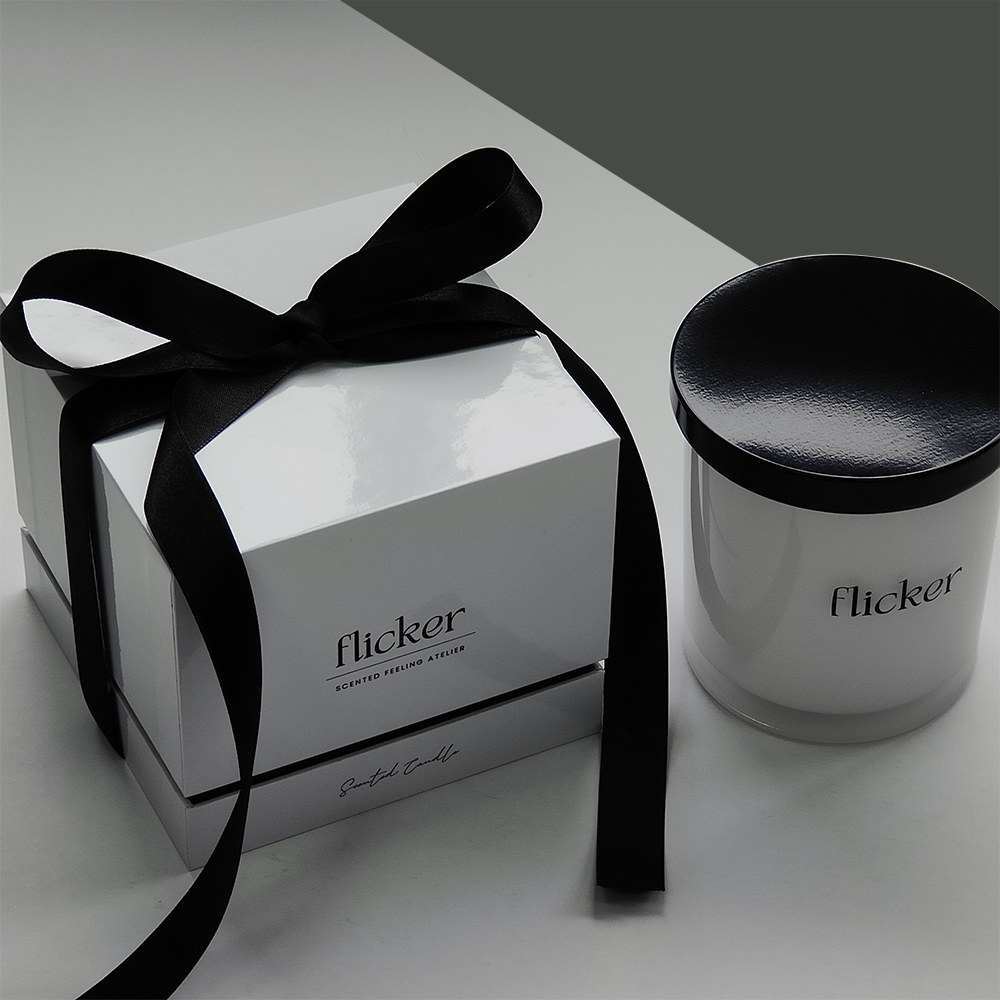
Maintaining your candle box in excellent condition requires understanding the delicate balance between protecting the packaging and preserving its aesthetic appeal. A well-maintained candle box not only extends the life of your investment but also ensures that your candles remain protected from environmental factors that could compromise their quality. Whether you're dealing with luxury packaging or standard cardboard containers, proper care techniques can significantly enhance durability and functionality.
Understanding Candle Box Materials and Construction
Material Composition and Quality Assessment
The foundation of proper candle box maintenance begins with understanding the materials used in construction. Most premium packaging utilizes high-grade cardboard, kraft paper, or specialized composite materials designed to withstand repeated handling. These materials possess specific characteristics that determine how they respond to environmental conditions, making material identification crucial for developing appropriate care strategies.
Quality assessment involves examining the structural integrity of corners, joints, and closure mechanisms. A well-constructed candle box features reinforced edges and precise folding lines that maintain their shape under stress. Understanding these construction elements helps identify potential weak points that require special attention during maintenance routines.
Environmental Factors Affecting Packaging Integrity
Environmental conditions play a critical role in determining how your candle box ages over time. Temperature fluctuations, humidity levels, and exposure to direct sunlight can cause materials to expand, contract, or deteriorate. Recognizing these factors allows you to create optimal storage conditions that minimize structural stress and preserve the packaging's original appearance.
Air quality considerations include dust accumulation, chemical exposure from household products, and atmospheric moisture that can weaken adhesive bonds or cause warping. Professional packaging solutions often incorporate protective coatings that resist these environmental challenges, but understanding their limitations helps establish realistic expectations for long-term preservation.
Essential Cleaning and Maintenance Techniques
Gentle Cleaning Methods for Different Surfaces
Effective cleaning of your candle box requires selecting appropriate methods based on surface treatments and material composition. For matte finishes, gentle dusting with a soft-bristled brush removes surface particles without scratching delicate coatings. Glossy or laminated surfaces may tolerate slightly damp cleaning cloths, but excess moisture must be avoided to prevent delamination or warping.
Stain removal techniques vary significantly depending on the type of contamination and surface material. Oil-based stains from candle wax require different approaches than water-based marks from handling. Testing cleaning methods on inconspicuous areas first ensures that your chosen technique won't cause permanent damage to visible surfaces.
Protective Treatments and Preservation Solutions
Applying protective treatments can significantly extend the lifespan of your candle box while maintaining its visual appeal. Specialized protective sprays designed for paper products create invisible barriers against moisture and staining. However, these treatments must be compatible with existing surface finishes to avoid adverse reactions that could compromise appearance or structural integrity.
Regular maintenance schedules help identify potential problems before they become irreversible damage. Establishing weekly inspection routines allows early detection of wear patterns, loose joints, or developing structural weaknesses that can be addressed through timely intervention rather than costly replacement.
Storage Solutions and Environmental Control
Optimal Storage Conditions and Requirements
Creating ideal storage environments involves controlling multiple variables that affect packaging longevity. Temperature stability between 65-75 degrees Fahrenheit minimizes expansion and contraction cycles that stress joints and corners. Relative humidity levels should remain between 45-55 percent to prevent moisture-related damage while avoiding excessive dryness that makes materials brittle.
Ventilation requirements ensure adequate air circulation without creating drafts that carry dust or contaminants. Storage areas should provide protection from direct sunlight while maintaining consistent lighting conditions that don't accelerate color fading or material degradation. Professional storage solutions often incorporate climate control systems that automatically maintain these optimal conditions.
Protective Storage Accessories and Methods
Implementing protective storage accessories enhances the effectiveness of environmental controls while providing additional layers of protection. Acid-free tissue paper creates barriers between stacked boxes, preventing surface scratching and color transfer. Breathable storage covers allow air circulation while blocking dust and light exposure that could cause premature aging.
Proper stacking techniques distribute weight evenly and prevent crushing damage to lower containers. Supporting structures should be stable and appropriately sized to accommodate your specific candle box dimensions without creating pressure points that could cause deformation over time.
Handling Procedures and Damage Prevention
Proper Lifting and Movement Techniques
Correct handling procedures significantly reduce the risk of accidental damage during routine use and storage activities. Supporting the base of your candle box while lifting prevents stress on closure flaps and maintains structural alignment. Two-handed lifting techniques distribute forces evenly and provide better control during movement operations.
Movement planning involves clearing pathways and identifying potential hazards before beginning transport operations. Smooth, controlled movements prevent sudden impacts that could damage corners or compromise joint integrity. Professional movers often use specialized equipment for valuable packaging, but careful manual handling can achieve similar protective results.
Common Damage Scenarios and Prevention Strategies
Understanding typical damage patterns helps develop targeted prevention strategies that address the most likely failure modes. Corner crushing often results from improper stacking or inadequate support during storage. Edge wear typically develops from repeated opening and closing cycles, making gentle handling particularly important for frequently accessed containers.
Prevention strategies focus on eliminating or minimizing exposure to damaging conditions rather than attempting repairs after problems develop. Protective padding during transport, controlled opening procedures, and appropriate storage positioning can prevent most common damage scenarios from occurring.
Repair and Restoration Techniques
Minor Damage Assessment and Correction
Early intervention for minor damage can prevent progression to more serious structural problems. Small tears or separations along fold lines often respond well to specialized adhesives designed for paper products. However, repair materials must be compatible with existing construction methods to ensure long-term stability and appearance consistency.
Assessment techniques involve carefully examining all surfaces and joints to identify the extent of damage before beginning repair procedures. Professional conservation methods often provide guidance for appropriate materials and techniques, even when applied to commercial packaging rather than archival documents.
Professional Restoration Considerations
Significant damage may require professional restoration services that possess specialized equipment and materials. Professional conservators can address complex problems like delamination, severe staining, or structural collapse that exceed the capabilities of home repair methods. Cost-benefit analysis helps determine when professional intervention provides better value than replacement.
Restoration decisions should consider the sentimental or monetary value of the candle box relative to restoration costs. Unique or limited-edition packaging may justify professional treatment, while standard commercial containers might be more economically replaced than extensively restored.
Long-term Preservation Strategies
Lifecycle Planning and Replacement Indicators
Developing realistic expectations for candle box lifespan helps plan replacement schedules and maintenance budgets. High-quality packaging materials may provide decades of service under optimal conditions, while standard construction might require replacement after several years of regular use. Monitoring wear patterns helps identify when preservation efforts are no longer cost-effective.
Replacement indicators include structural instability, extensive surface damage, or compromised protective capabilities that could affect stored contents. Establishing clear criteria for retirement helps maintain consistent quality standards while avoiding premature disposal of serviceable containers.
Investment Protection and Value Maintenance
Protecting your investment in quality candle box packaging requires balancing use requirements with preservation needs. Premium containers often represent significant financial investments that justify extensive maintenance efforts. Understanding the relationship between care investment and value retention helps optimize maintenance strategies for different quality levels.
Value maintenance extends beyond financial considerations to include aesthetic appeal, functional performance, and emotional attachment. Comprehensive preservation approaches address all these factors to maximize satisfaction and utility from your packaging investment.
FAQ
How often should I inspect my candle box for damage or wear
Regular inspection schedules depend on usage frequency and storage conditions, but monthly examinations provide good baseline monitoring for most situations. High-use containers may require weekly inspections, while stored items can be checked quarterly. Focus on corners, joints, and closure mechanisms where stress concentrations typically cause the earliest signs of wear.
What cleaning products are safe to use on different candle box materials
Mild, pH-neutral cleaning solutions work best for most candle box materials without causing chemical damage or discoloration. Avoid alcohol-based cleaners that can dissolve adhesives or remove protective coatings. Always test cleaning products on hidden areas first to verify compatibility with specific surface treatments or finishes.
Can damaged candle boxes be successfully repaired at home
Minor damage like small tears, loose corners, or surface scuffs can often be repaired using appropriate adhesives and techniques. However, structural damage, extensive staining, or delamination typically requires professional treatment or replacement. Success depends on damage severity, material type, and available repair materials.
How do environmental conditions affect candle box preservation
Temperature fluctuations, humidity extremes, and direct sunlight exposure accelerate aging processes that compromise both appearance and structural integrity. Stable conditions between 65-75 degrees Fahrenheit and 45-55 percent relative humidity provide optimal preservation environments. Proper ventilation prevents moisture accumulation while protecting against dust and contaminants.