
 EN
EN
 AR
AR
 HR
HR
 CS
CS
 DA
DA
 NL
NL
 FI
FI
 FR
FR
 DE
DE
 EL
EL
 HI
HI
 IT
IT
 JA
JA
 KO
KO
 NO
NO
 PL
PL
 PT
PT
 RO
RO
 RU
RU
 ES
ES
 SV
SV
 TL
TL
 ID
ID
 LT
LT
 SL
SL
 VI
VI
 HU
HU
 MT
MT
 TH
TH
 TR
TR
 FA
FA
 AF
AF
 MS
MS
 GA
GA
 MK
MK
 AZ
AZ
 BN
BN
 LO
LO
 LA
LA
 MN
MN

How Can a Custom Watch Box Enhance Brand Image and Customer Satisfaction?
In today's competitive luxury goods market, brands must go beyond delivering exceptional products to create memorable experiences that resonate with customers long after the purchase. A custom watch box represents more than just protective packaging—it serves as a powerful brand ambassador that communicates quality, attention to detail, and commitment to customer satisfaction. The investment in premium packaging solutions has become increasingly crucial for watch manufacturers and retailers seeking to differentiate themselves in a crowded marketplace.
The psychology of unboxing has transformed from a simple transaction into an emotional journey that can significantly impact customer perception and loyalty. When customers receive their timepiece in carefully designed packaging, the anticipation builds, creating a sense of luxury and exclusivity that extends the value proposition beyond the product itself. This psychological impact translates directly into enhanced brand perception and increased customer satisfaction scores.
Strategic Brand Positioning Through Premium Packaging
Visual Identity Enhancement
Premium packaging serves as a three-dimensional extension of your brand identity, allowing companies to showcase their values and aesthetic principles through tangible elements. The design, materials, colors, and finishing techniques used in packaging communicate brand positioning more effectively than traditional advertising methods. When executed properly, packaging becomes a silent salesperson that reinforces brand messaging at the critical moment of product delivery.
Luxury watch brands understand that their packaging must reflect the same level of craftsmanship found in their timepieces. The choice of materials, from high-quality cardboard to premium leather alternatives, sends immediate signals about brand quality and attention to detail. These visual cues help customers justify their purchase decision and create positive associations that influence future buying behavior.
Market Differentiation Strategies
In an increasingly saturated market, differentiation through packaging design provides a competitive advantage that competitors cannot easily replicate. Unique packaging solutions create memorable brand experiences that customers associate specifically with your company. This differentiation becomes particularly valuable in online retail environments where physical product interaction is limited before purchase.
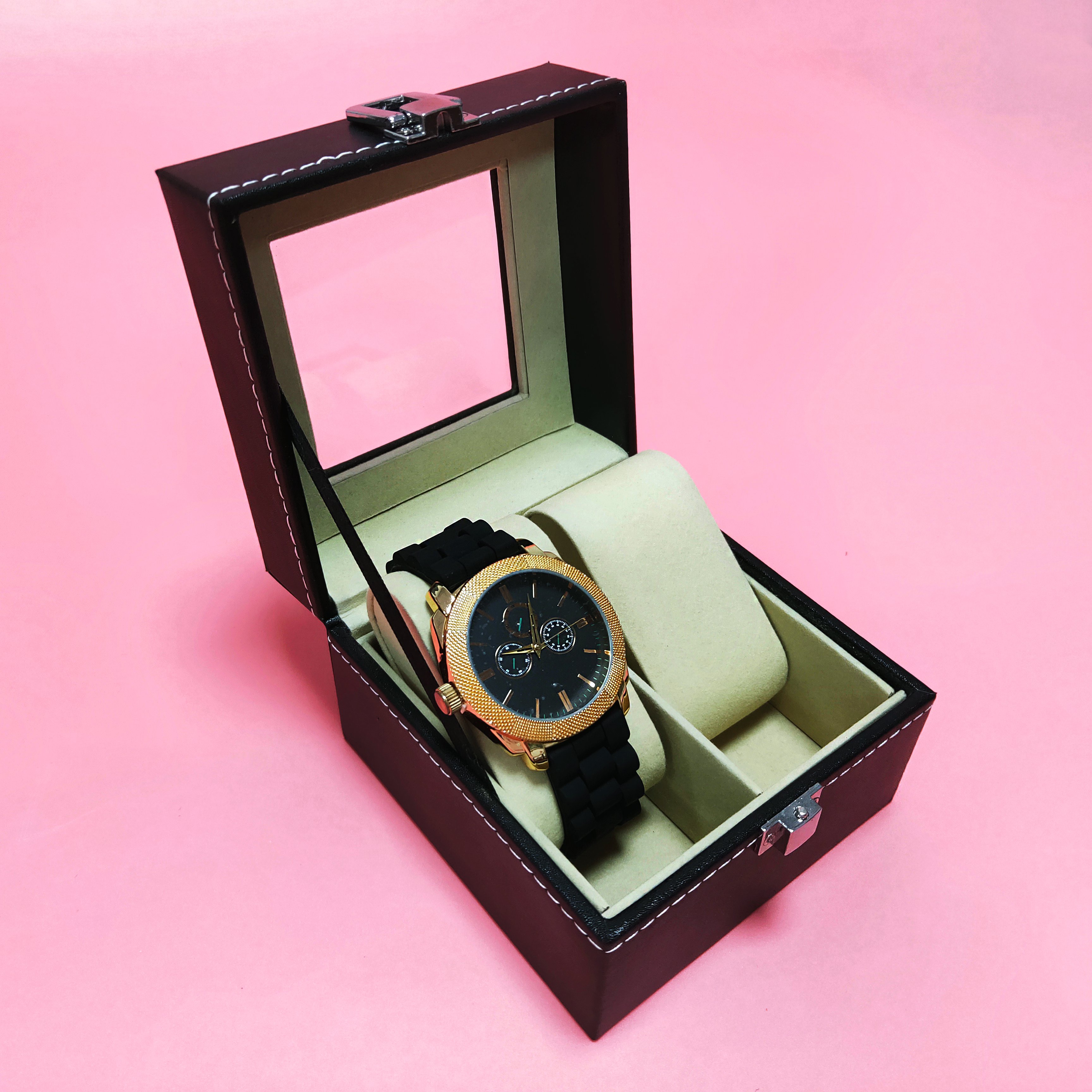
The custom watch box approach allows brands to incorporate distinctive design elements, specialized opening mechanisms, and personalized touches that create unique unboxing experiences. These experiences generate positive word-of-mouth marketing and social media sharing opportunities that extend brand reach organically. The investment in distinctive packaging often pays dividends through increased customer retention and referral rates.
Customer Satisfaction Enhancement Through Thoughtful Design
Unboxing Experience Psychology
The unboxing experience has emerged as a critical touchpoint in the customer journey, with studies showing that positive unboxing experiences correlate directly with increased customer satisfaction and brand loyalty. The anticipation created through well-designed packaging amplifies the perceived value of the enclosed product and creates lasting positive memories associated with the brand.
Modern consumers have developed expectations for premium unboxing experiences, particularly in luxury segments. The tactile sensation of quality materials, the visual appeal of coordinated design elements, and the functional aspects of protective packaging all contribute to overall satisfaction levels. Brands that invest in custom watch box solutions report higher customer satisfaction scores and increased likelihood of repeat purchases.
Functional Value Addition
Beyond aesthetic appeal, thoughtfully designed watch packaging provides practical value that customers appreciate long after the initial purchase. Quality packaging materials protect valuable timepieces during shipping and storage, reducing the likelihood of damage and associated customer service issues. The protective function of premium packaging demonstrates brand commitment to product integrity throughout the entire customer experience.
Reusable packaging design adds ongoing value for customers who appreciate storage solutions for their watch collections. When packaging serves dual purposes as both protective shipping material and long-term storage solution, customers perceive additional value in their purchase. This functional approach to packaging design strengthens customer relationships and reinforces positive brand associations over time.
Premium Materials and Manufacturing Excellence
Material Selection Impact
The choice of materials for watch packaging directly influences customer perception of brand quality and commitment to excellence. Premium cardboard options, sustainable material alternatives, and innovative finishing techniques communicate environmental responsibility while maintaining luxury appeal. Material selection decisions reflect brand values and resonate with increasingly conscious consumers who evaluate purchasing decisions based on sustainability factors.
Advanced manufacturing techniques allow for precise customization of material properties, enabling brands to achieve specific tactile experiences and visual effects. The integration of sustainable materials with luxury aesthetics addresses growing consumer demand for environmentally responsible packaging solutions. Brands that successfully balance sustainability with premium appeal often achieve stronger customer loyalty and positive brand associations.
Manufacturing Quality Standards
Consistent manufacturing quality ensures that every customer receives the same premium unboxing experience, regardless of order volume or shipping destination. Quality control processes in packaging manufacturing directly impact brand reputation and customer satisfaction levels. Investment in reliable manufacturing partnerships protects brand image and ensures consistent delivery of premium experiences.
Advanced manufacturing capabilities enable brands to incorporate complex design elements, specialized closures, and customized internal configurations that enhance both protection and presentation. These manufacturing innovations allow for greater design flexibility while maintaining cost-effectiveness across various production volumes. The result is packaging that meets both functional requirements and aesthetic expectations without compromising either aspect.
Cost-Benefit Analysis and Return on Investment
Investment Justification Metrics
The financial investment in premium packaging solutions can be justified through multiple measurable benefits, including reduced return rates, increased customer lifetime value, and enhanced brand positioning in premium market segments. Companies that track packaging-related metrics often discover that initial investment costs are offset by improved customer retention and reduced customer service expenses.
Long-term cost benefits include reduced product damage during shipping, decreased packaging waste through reusable design features, and improved efficiency in warehouse operations through standardized packaging dimensions. These operational improvements compound over time, creating ongoing cost savings that justify initial premium packaging investments.
Market Positioning Benefits
Premium packaging enables brands to command higher price points and position products in luxury market segments where profit margins are typically more favorable. The perceived value enhancement created through quality packaging often exceeds the additional packaging costs, resulting in improved overall profitability. This positioning advantage becomes particularly valuable in competitive markets where differentiation is crucial for success.
Brand equity enhancement through premium packaging creates long-term value that extends beyond immediate sales transactions. Improved brand perception leads to increased customer willingness to pay premium prices and greater receptivity to new product launches. These brand equity benefits accumulate over time, creating sustainable competitive advantages that justify ongoing investment in packaging excellence.
Implementation Strategies for Maximum Impact
Design Development Process
Successful packaging development requires collaborative relationships between brand teams, design professionals, and manufacturing partners to ensure alignment between brand objectives and practical implementation requirements. The development process should incorporate customer feedback mechanisms and iterative design refinement to optimize both aesthetic appeal and functional performance.
Market research and competitor analysis inform design decisions while ensuring differentiation and relevance to target customer segments. The integration of brand guidelines with packaging design requirements creates cohesive brand experiences that reinforce marketing messages and strengthen customer relationships. This systematic approach to design development maximizes the impact of packaging investments.
Production and Quality Management
Effective quality management systems ensure consistent packaging quality across all production runs while maintaining cost efficiency and delivery schedules. Regular quality audits and supplier relationship management protect brand reputation and ensure reliable packaging performance. Investment in quality management systems pays dividends through reduced defect rates and improved customer satisfaction.
Supply chain optimization for packaging materials and manufacturing services reduces costs while improving delivery reliability and quality consistency. Strategic partnerships with packaging specialists enable access to advanced manufacturing capabilities and innovative material options that might not be available through standard suppliers. These partnerships often provide competitive advantages through exclusive access to cutting-edge packaging technologies.
FAQ
What factors should be considered when selecting materials for custom watch packaging?
Material selection should balance aesthetic appeal, protective functionality, sustainability considerations, and cost requirements. Key factors include durability for shipping protection, visual appeal that reflects brand positioning, environmental impact of material choices, and manufacturing compatibility with design requirements. The best materials combine luxury appearance with practical performance while aligning with brand values and customer expectations.
How can brands measure the return on investment for premium packaging initiatives?
ROI measurement should include both direct financial metrics and indirect brand value indicators. Direct metrics include reduced return rates, decreased damage claims, improved customer lifetime value, and increased average order values. Indirect indicators include customer satisfaction scores, social media engagement levels, brand perception surveys, and customer retention rates. Comprehensive measurement approaches provide clear justification for packaging investments.
What design elements most effectively enhance the unboxing experience?
Effective unboxing experiences combine visual, tactile, and functional design elements that create anticipation and delight. Key elements include coordinated color schemes that reflect brand identity, premium material textures that feel luxurious, intuitive opening mechanisms that build anticipation, and protective internal configurations that showcase the product effectively. The most successful designs integrate multiple sensory experiences that reinforce brand values.
How can small watch brands compete with luxury brands through packaging design?
Small brands can compete effectively by focusing on authentic brand storytelling through packaging design, emphasizing unique value propositions that differentiate from mass market approaches, and investing strategically in specific design elements that create maximum impact within budget constraints. Success often comes from creative problem-solving and authentic brand expression rather than simply mimicking luxury brand approaches. Innovative design thinking can create memorable experiences that resonate strongly with target customers.