
 EN
EN
 AR
AR
 HR
HR
 CS
CS
 DA
DA
 NL
NL
 FI
FI
 FR
FR
 DE
DE
 EL
EL
 HI
HI
 IT
IT
 JA
JA
 KO
KO
 NO
NO
 PL
PL
 PT
PT
 RO
RO
 RU
RU
 ES
ES
 SV
SV
 TL
TL
 ID
ID
 LT
LT
 SL
SL
 VI
VI
 HU
HU
 MT
MT
 TH
TH
 TR
TR
 FA
FA
 AF
AF
 MS
MS
 GA
GA
 MK
MK
 AZ
AZ
 BN
BN
 LO
LO
 LA
LA
 MN
MN

How Can Paper Boxes Enhance the Customer Unboxing Experience?
In today's competitive marketplace, creating memorable customer experiences has become essential for brand success. One of the most powerful yet often overlooked touchpoints is the unboxing experience, where paper boxes play a crucial role in shaping customer perceptions and emotions. The moment a customer receives their order marks the beginning of a tactile journey that can transform a simple product delivery into an unforgettable brand interaction. Premium packaging solutions using carefully designed paper boxes can elevate this experience, creating lasting impressions that drive customer loyalty and encourage social sharing.
The Psychology Behind Unboxing Experiences
Emotional Connection Through Touch and Visual Appeal
The unboxing experience triggers multiple sensory responses that create deep emotional connections between customers and brands. When customers interact with high-quality paper boxes, they engage their sense of touch, sight, and even smell, creating a multi-dimensional experience that digital interactions cannot replicate. Research in consumer psychology demonstrates that tactile experiences significantly influence purchase satisfaction and brand perception. The texture, weight, and construction quality of paper boxes communicate brand values before customers even see the product inside.
Visual elements incorporated into paper box design serve as powerful psychological triggers that can evoke specific emotions and associations. Colors, patterns, and finishing techniques work together to create anticipation and excitement during the unboxing process. Premium materials and attention to detail in paper box construction signal quality and care, suggesting that the enclosed product deserves similar appreciation. This psychological priming enhances the perceived value of the actual product and creates positive bias toward the brand.
Building Anticipation and Delayed Gratification
Well-designed paper boxes can masterfully build anticipation through layered reveal experiences. Multiple packaging layers, protective inserts, and sequential unveiling create a sense of delayed gratification that heightens emotional investment in the unboxing process. This psychological principle, known as the peak-end rule, suggests that people judge experiences based on their peak moment and how they end. Strategic paper box design can control these peak moments, ensuring they align with brand messaging and desired customer emotions.
The temporal aspect of unboxing also allows brands to extend customer engagement beyond the initial purchase moment. Customers spend additional time interacting with thoughtfully designed paper boxes, increasing brand exposure and creating opportunities for deeper brand connection. This extended engagement period provides valuable time for customers to appreciate product quality and brand attention to detail, factors that significantly influence repeat purchase behavior and customer lifetime value.
Design Elements That Transform Paper Boxes
Material Selection and Texture Innovation
The choice of materials for paper boxes directly impacts the tactile experience and perceived quality of the unboxing journey. Premium paperboard options, such as those with cotton fiber content or unique texture treatments, provide superior feel and durability compared to standard corrugated options. Specialized coatings and laminations can add luxury touches while maintaining environmental sustainability, addressing growing consumer concerns about packaging waste. The weight and rigidity of selected materials communicate quality expectations and influence customer satisfaction from the moment they handle the package.
Surface treatments and finishing techniques offer unlimited opportunities to differentiate paper boxes and create memorable tactile experiences. Soft-touch coatings provide velvet-like textures that invite touching and handling, while embossed patterns add visual interest and tactile engagement. Spot UV applications can create striking contrasts between matte and glossy surfaces, guiding customer attention and creating visual hierarchy. These sophisticated finishing techniques transform simple paper boxes into premium packaging experiences that justify higher product pricing and build brand prestige.
Structural Engineering for Enhanced Functionality
Innovative structural designs in paper boxes can dramatically improve functionality while creating wow moments during unboxing. Magnetic closures provide satisfying snap-shut mechanisms that feel premium and secure, while ribbon pulls or tear strips offer intuitive opening methods that enhance user experience. Telescoping lids, drawer-style boxes, and multi-compartment designs create sequential reveal opportunities that build excitement and anticipation throughout the unboxing process.
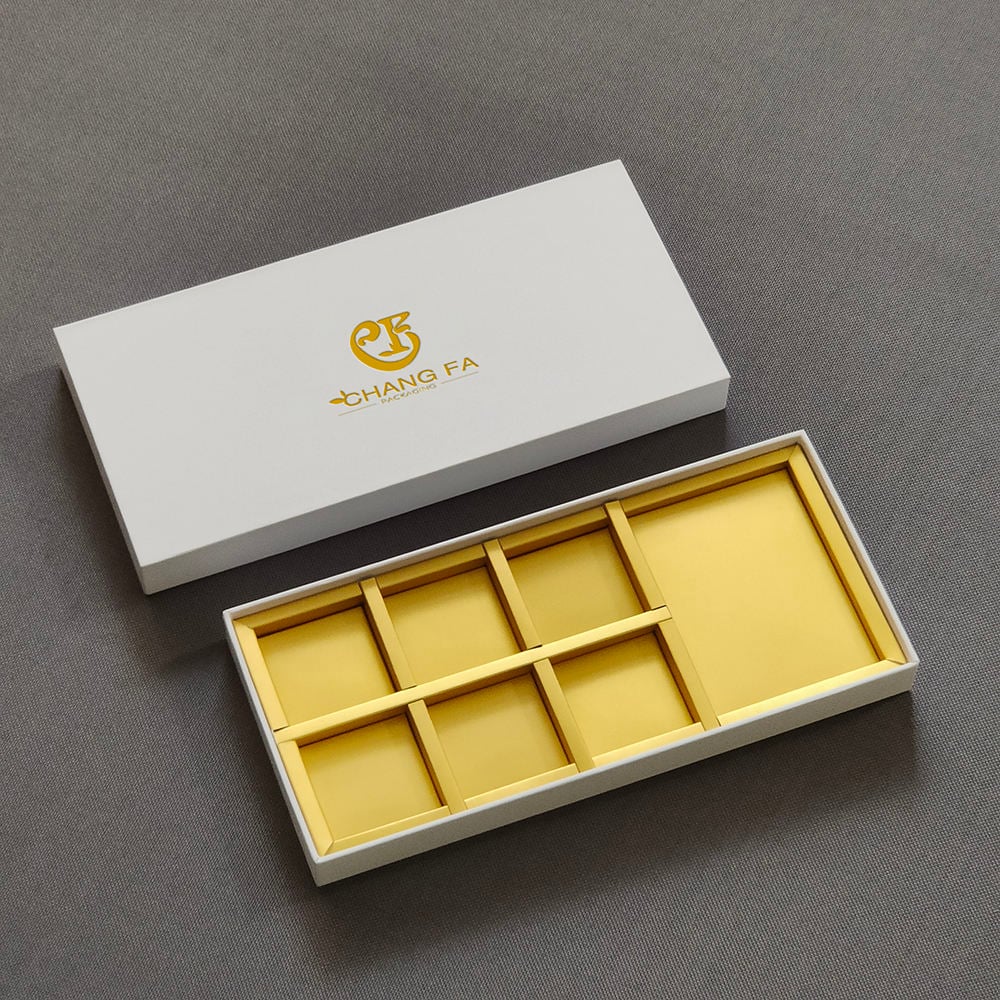
Internal organization systems within paper boxes serve both functional and experiential purposes. Custom-fitted inserts, foam cushioning, and protective dividers ensure products arrive in perfect condition while creating organized, visually appealing presentations. These internal elements can be designed to guide the unboxing sequence, revealing products in predetermined order to maximize impact and storytelling opportunities. The engineering precision required for these features demonstrates brand commitment to quality and customer experience.
Branding Integration and Visual Storytelling
Logo Placement and Brand Identity Systems
Strategic logo placement on paper boxes creates multiple brand touchpoints throughout the unboxing experience. Beyond traditional exterior placement, brands can integrate logos into internal surfaces, protective tissue paper, and closure mechanisms to ensure consistent brand visibility. Subtle logo integration, such as debossed patterns or tonal variations, creates sophisticated brand presence without overwhelming the customer experience. The key lies in balancing brand visibility with aesthetic appeal to create packaging that customers want to keep and reuse.
Comprehensive brand identity systems ensure consistency across all paper box elements, from color palettes and typography to imagery and messaging tone. This systematic approach creates cohesive brand experiences that reinforce brand values and positioning through every interaction. Consistent application of brand elements across paper box surfaces helps customers immediately recognize and connect with the brand, building familiarity and trust that translates into customer loyalty and advocacy.
Storytelling Through Progressive Reveal
Paper boxes offer unique opportunities for sequential storytelling through layered design elements and progressive product reveals. Outer packaging can introduce brand narratives or product stories, while internal layers provide additional information or emotional messaging. This storytelling approach transforms utilitarian packaging into engaging communication vehicles that educate customers about brand values, product benefits, or company mission. Effective storytelling through paper box design creates emotional connections that extend far beyond the initial unboxing moment.
Interactive elements within paper box designs can further enhance storytelling capabilities. QR codes linking to exclusive content, hidden messages revealed through opening sequences, or augmented reality features accessed through mobile applications create modern, tech-enabled unboxing experiences. These digital integrations bridge physical and virtual brand interactions, providing opportunities for extended engagement and data collection that inform future marketing efforts.
Sustainability and Environmental Considerations
Eco-Friendly Material Choices
Modern consumers increasingly prioritize environmental responsibility in their purchasing decisions, making sustainable paper box options essential for brand reputation and customer satisfaction. Recycled content materials, FSC-certified papers, and biodegradable coatings allow brands to create impressive unboxing experiences while minimizing environmental impact. These sustainable choices often require minimal compromise in terms of visual appeal or structural integrity, proving that environmental responsibility and premium packaging can coexist successfully.
Water-based inks, soy-based adhesives, and compostable protective materials further reduce the environmental footprint of paper boxes while maintaining high-quality appearance and functionality. Brands that transparently communicate their sustainable packaging choices through on-package messaging or certification symbols can differentiate themselves in crowded markets while appealing to environmentally conscious consumers. This approach transforms packaging from a necessary cost into a competitive advantage that supports brand positioning and customer values alignment.
Reusability and Secondary Functions
Designing paper boxes for reusability extends their value proposition while reducing waste and increasing brand visibility in customer environments. Storage-friendly dimensions, durable construction, and attractive aesthetics encourage customers to repurpose packaging for organization, gift-giving, or display purposes. This extended product lifecycle creates ongoing brand exposure while demonstrating environmental responsibility and practical value that customers appreciate.
Secondary function designs, such as paper boxes that transform into display stands, organizers, or decorative items, provide additional value that justifies premium packaging costs. These innovative approaches create talking points that encourage social sharing and word-of-mouth marketing, extending brand reach through organic customer advocacy. The key to successful reusable design lies in balancing functional utility with aesthetic appeal to create packaging that customers genuinely want to keep and use.
Technology Integration and Smart Packaging
Digital Enhancement Opportunities
Smart technology integration in paper boxes opens new possibilities for customer engagement and brand interaction. NFC tags, QR codes, and augmented reality triggers can provide access to exclusive content, product information, or interactive experiences that extend the unboxing journey into digital realms. These technologies allow brands to provide personalized messages, setup instructions, or loyalty program enrollment opportunities directly through packaging interaction.
Digital integration also enables sophisticated tracking and analytics capabilities that provide valuable insights into customer behavior and preferences. Brands can monitor unboxing timing, content engagement rates, and sharing patterns to optimize future packaging designs and marketing strategies. This data-driven approach to packaging design ensures continuous improvement and customer-centric development that enhances satisfaction and loyalty over time.
Authentication and Security Features
Advanced paper boxes can incorporate security features that protect against counterfeiting while enhancing the premium unboxing experience. Holographic elements, security threads, and unique serial numbers provide authentication capabilities that build customer confidence in product authenticity. These features become particularly important for luxury goods, pharmaceuticals, and high-value electronics where counterfeiting poses significant risks to brand reputation and customer safety.
Tamper-evident closures and void-indicating materials ensure product integrity while providing clear evidence if packages have been compromised during shipping or handling. These security features, when elegantly integrated into paper box designs, enhance rather than detract from the unboxing experience while providing practical benefits that customers value. The challenge lies in implementing security measures that are both effective and aesthetically pleasing.
FAQ
What makes paper boxes more effective than other packaging materials for unboxing experiences
Paper boxes offer superior customization opportunities, premium feel, and environmental benefits compared to plastic or metal alternatives. Their moldability allows for complex structural designs, while printing capabilities enable unlimited visual customization. The natural texture and sustainable nature of paper materials align with consumer preferences for eco-friendly packaging solutions. Additionally, paper boxes can be easily branded, modified, and produced in smaller quantities, making them ideal for creating unique unboxing experiences across different product categories and customer segments.
How can small businesses create premium unboxing experiences with limited budgets
Small businesses can focus on strategic design elements that maximize impact without requiring large investments. Simple additions like custom tissue paper, branded stickers, or handwritten thank-you notes can significantly enhance the unboxing experience. Choosing standard box sizes with custom printing reduces tooling costs while maintaining professional appearance. Partnering with local suppliers or using print-on-demand services allows for smaller order quantities and reduced inventory requirements. The key is identifying which elements matter most to your specific customer base and investing strategically in those areas.
What role does packaging size optimization play in customer satisfaction
Proper sizing of paper boxes directly impacts shipping costs, environmental impact, and customer perception. Oversized packaging wastes materials and increases shipping expenses, while undersized boxes may damage products or appear cheap. Optimal sizing demonstrates thoughtfulness and efficiency that customers appreciate, while reducing environmental waste that aligns with sustainability values. Right-sized packaging also ensures products fit properly with protective materials, reducing damage rates and return costs. The goal is finding the perfect balance between protection, presentation, and efficiency.
How can brands measure the success of their unboxing experience improvements
Success metrics for unboxing experiences include customer satisfaction scores, social media sharing rates, return customer percentages, and net promoter scores. Direct feedback through surveys, reviews, and social media monitoring provides qualitative insights into customer reactions. Quantitative measures include reduced return rates due to damage, increased average order values, and higher customer lifetime values. Tracking unboxing-related social media posts and user-generated content provides insights into emotional impact and brand advocacy. The most comprehensive approach combines multiple metrics to understand both immediate reactions and long-term business impact.